
One Webinar, 30 Days of Social Content
You already did the hard work. Here's how to stop leaving 90% of it on the table.
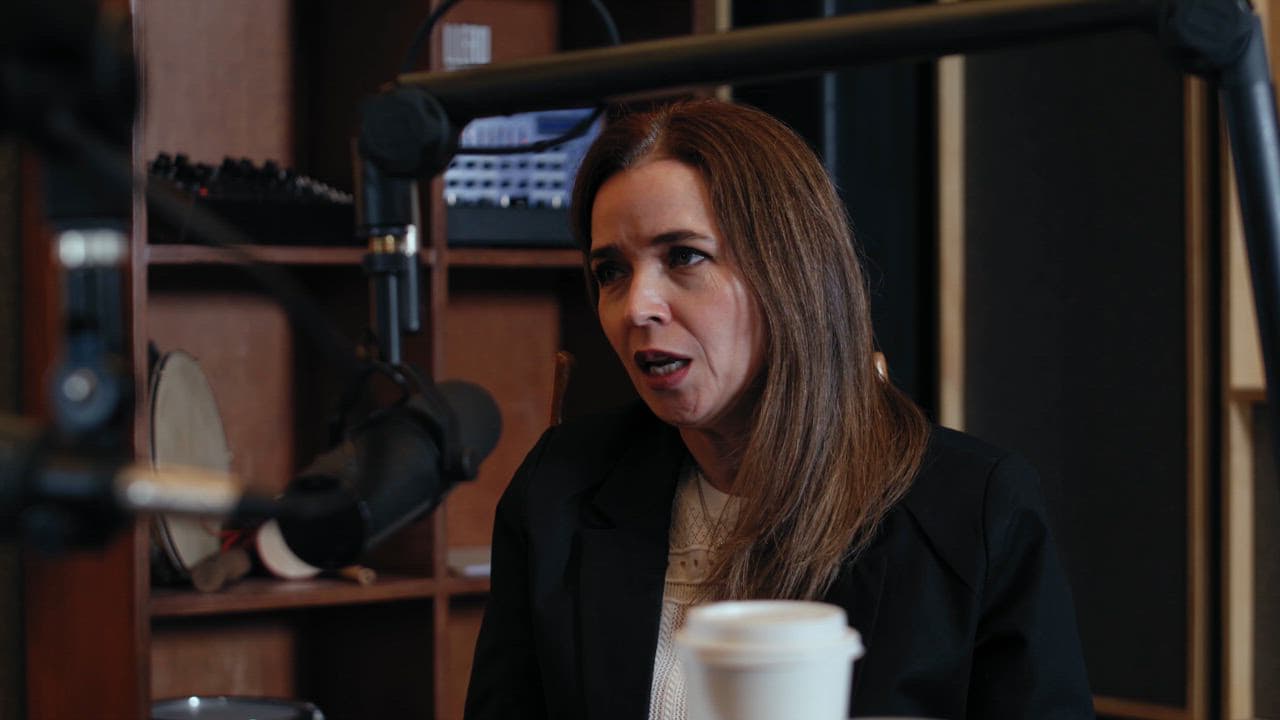
Most creators host a webinar, send the replay link, and move on. That's like cooking a full meal and only eating the garnish.
A single 60-minute webinar contains more usable content than most people produce in two months. The trick is knowing how to slice it.
Start With What's Already There
Before you open any editing tool, watch your replay with a notepad. You are looking for five things:
- Sharp opinions - moments where you pushed back on common advice
- Quotable one-liners - sentences that could stand alone with zero context
- Step-by-step explanations - any time you said "here's how I do this"
- Audience questions - especially the ones you spent more than two minutes answering
- Stories or examples - specific cases that made the concept click
A typical webinar has at least eight to twelve of these moments. That is your raw material.
Map Each Moment to a Format
Once you have your list, stop thinking in terms of "posts" and start thinking in terms of formats. Each moment fits naturally into one.
A sharp opinion becomes a take-post on LinkedIn or a talking-head clip for Reels or TikTok. A step-by-step explanation becomes a carousel or a numbered thread. A quotable line becomes a static graphic or a caption hook. An audience question becomes a short video where you answer it directly, which feels personal and performs well because it signals real engagement.
If your webinar had five sharp opinions, three how-to sections, and four audience questions, you already have twelve distinct pieces of content. Spread those across four weeks and you have three posts a week, which is a solid cadence for most platforms.
One practical tip: write out each piece as if you are explaining it to someone who never attended the webinar. Assume zero familiarity. This makes your content accessible to a wider audience and, honestly, it usually makes the writing sharper too.
The Scheduling Layer Most People Skip
Having the content is one thing. Getting it out consistently is where most people stall.
The gap between "I have a folder of clips and captions" and "posts actually going live" is bigger than it sounds. Life gets in the way. You wake up Monday meaning to post and instead spend the morning on client emails. By Friday you have posted once and feel behind.
The fix is to treat repurposed content exactly like a product launch. Set a single block of time, write all the captions, schedule everything, and close the tab. When it is done once, it is done for the month.
That sounds simple, and it is, but it requires that your clips and captions are already ready to go. If you are still editing video on the day you meant to post, the system breaks.
This is the exact gap ReelCast closes. You upload your webinar recording and it pulls out the clips, adds captions, and puts them on a two-week posting schedule. The repurposing work that would normally take a Sunday afternoon happens in minutes, so the "schedule everything" step is actually achievable. Your webinar stops being a one-day event and starts being a content engine that runs quietly in the background while you focus on the next thing.