
One Webinar Can Fill Your Entire Content Calendar
Most creators record a webinar and let it collect dust. Here's what to do instead.
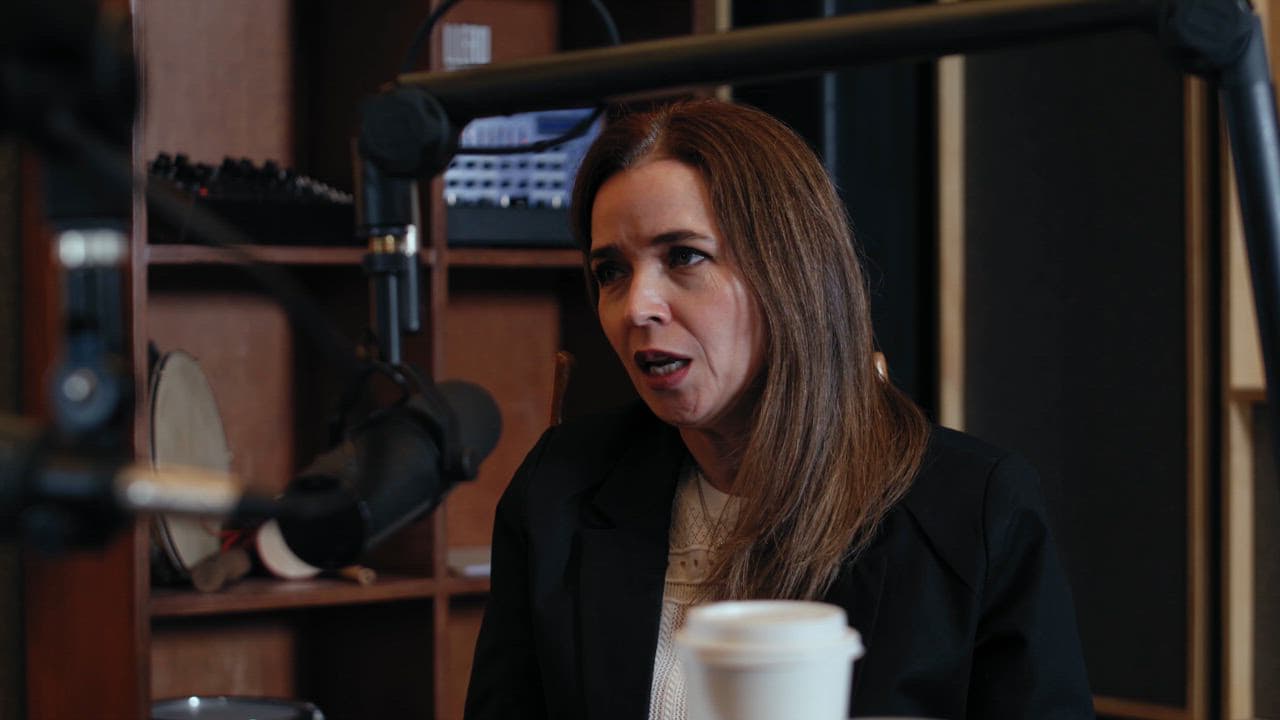
You spent three weeks preparing a webinar. Maybe 40 people showed up live. Now the recording sits in a Google Drive folder, doing nothing.
That recording is not dead content. It is raw material. With the right approach, one 60-minute webinar can produce a full month of social posts without you having to generate a single new idea from scratch.
Start by Pulling the Content Apart
Most webinars have a natural structure: an intro, three to five main points, a Q&A, and a close. That structure is your content map.
Go through the recording and timestamp every moment where you said something genuinely useful. Not polished, not perfect. Just useful. A counterintuitive stat. A quick framework you drew on a whiteboard. A question from the audience that stopped you for a second because it was so good.
Those moments are your clips.
From a single one-hour webinar, you can typically pull:
- 8 to 12 short video clips (60 to 90 seconds each) for Reels, TikTok, or LinkedIn video
- 4 to 6 text posts that expand on a single point you made
- 2 to 3 carousels that break down a framework or step-by-step process
- 1 longer newsletter or blog post that recaps the whole session
- A few one-liner quotes to scatter in between everything else
That is not padding. Each format serves a different part of your audience on a different platform. Some people watch video. Some read long-form. Some skim carousels on a Tuesday morning. You are not repeating yourself. You are reaching people where they actually are.
The Editing Mistake Most People Make
The instinct is to share the polished parts. The clean transitions, the prepared slides, the moments where you sound most like a professional.
Resist that.
The clips that perform best are almost always the unscripted ones. The moment you paused and said "actually, let me say that differently." The off-the-cuff analogy you threw in. The direct answer you gave to a hard audience question.
Raw and real beats produced and perfect almost every time on social media right now. You do not need a professional edit. You need a clear caption that tells people why this 90-second clip is worth watching.
A good caption formula: one sentence that names the problem, one or two sentences that tease the insight, and a call to action that feels like a natural next step rather than a demand.
Build the Calendar Before You Post Anything
This is the step most people skip, and it is why they post three times and then go quiet for two weeks.
Once you have your clips and content pieces identified, lay them out across four weeks before publishing anything. Mix formats. Do not run five video clips back to back. Alternate between video, text, and carousels to keep things varied. Space your best material out rather than front-loading week one.
Schedule everything in one sitting if you can. The goal is to make future-you's job as easy as possible.
This is exactly the kind of workflow ReelCast was built for. You upload your webinar recording, and it pulls out the best clips, adds captions, and helps you build out a multi-week posting schedule without treating content creation like a second full-time job. One recording, weeks of output, and none of the Sunday-night scramble to figure out what to post tomorrow.