
One Webinar, Thirty Days of Social Content
You already did the hard work. Here's how to make that one-hour webinar feed your entire content calendar.
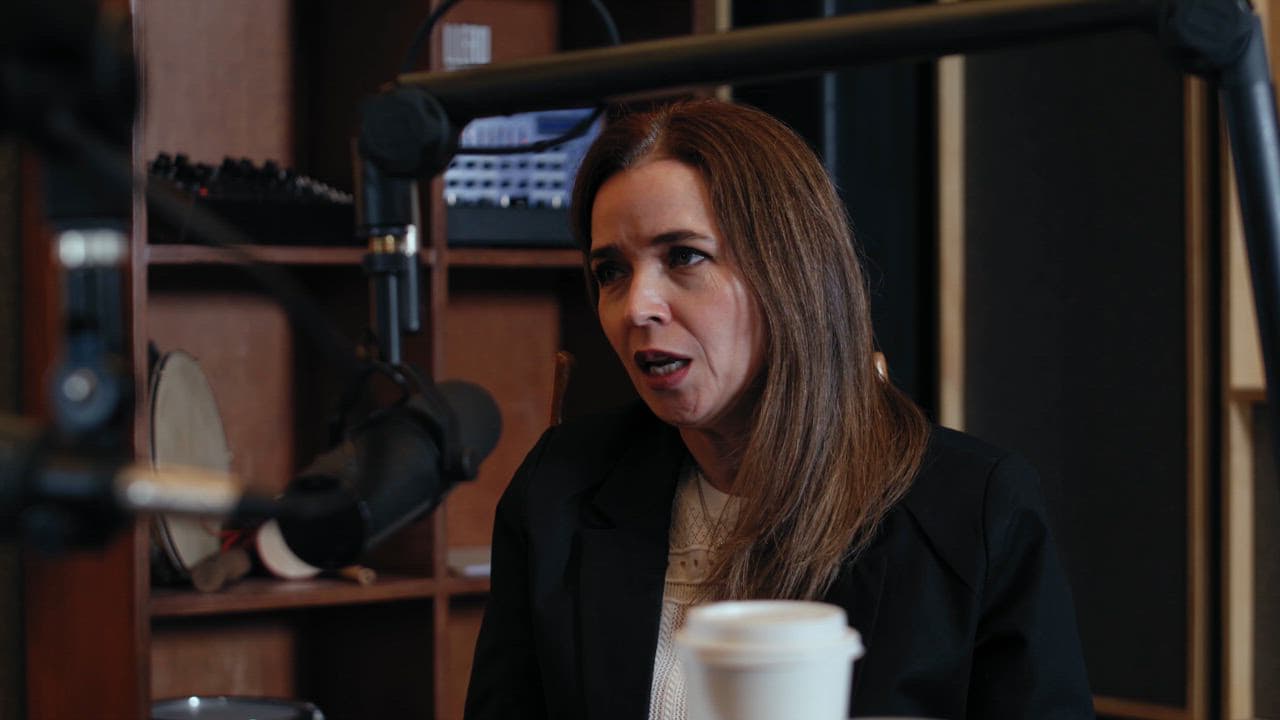
Most founders run a webinar, get a decent turnout, send the replay link once, and then let the recording collect dust in Google Drive. That is a brutal waste of a genuinely useful asset.
A one-hour webinar is not one piece of content. It is raw material for a full month of posts, if you know where to cut.
Think in Content Units, Not in Minutes
The mistake is watching the recording and trying to chop it into clips by time. That gives you random snippets. Instead, scan your webinar for units of value, which are self-contained moments that each teach, challenge, or surprise someone on their own.
Here is a practical taxonomy:
- Contrarian takes. Any moment where you said something that pushes back on common advice.
- Before/after stories. A client example, a transformation, a concrete result with context.
- Frameworks. Any time you named a process or drew a mental model.
- Mistakes. Warnings, things you would do differently, traps people fall into.
- One-liners. Sentences your audience would screenshot and send to a friend.
A typical 60-minute webinar has at least 8 to 12 of these moments hiding inside it. That is your raw post list.
Map Each Moment to a Format
Once you have the list, match each moment to the format where it will land best.
A contrarian take reads well as a short-form video clip with captions, because the friction of the idea keeps people watching. A framework turns into a clean carousel or a Twitter thread with a visual. A one-liner becomes a quote graphic. A before/after story works as a caption-heavy single image post, or a short talking-head reel.
You are not making the same post twelve times. You are letting the nature of each moment tell you how to present it. That keeps your feed feeling varied even though everything traced back to the same source material.
For pacing, spread the posts across four weeks like this: week one covers your core framework and strongest hook moments, week two goes into the mistakes and warnings, week three shares the stories and social proof, week four revisits the most resonant take with fresh framing or a follow-up question. By the end of the month, people who missed the webinar feel like they almost watched it anyway.
The Part Everyone Skips: The Q&A
The webinar Q&A is almost always ignored during repurposing. That is a mistake. The questions your audience asked live are direct evidence of what they are confused or curious about. Each question is a post prompt.
"Someone asked me this on my last webinar" is one of the most credible ways to open a social post. It signals that real people care about the topic, and it lets you give a fuller answer than you did in the moment.
Pull five to ten questions from the Q&A, answer them as standalone posts, and you have topped up your calendar without creating anything from scratch.
This entire workflow, scanning for moments, matching formats, scheduling across four weeks, is the manual version of what ReelCast handles automatically. You upload the webinar recording, and it pulls out the clips, captions them, and maps them to a two-week posting schedule. The logic is the same. The time investment is not.