
One Webinar, 30 Days of Social Content
Your last webinar is sitting on a hard drive doing nothing. Here's how to fix that.
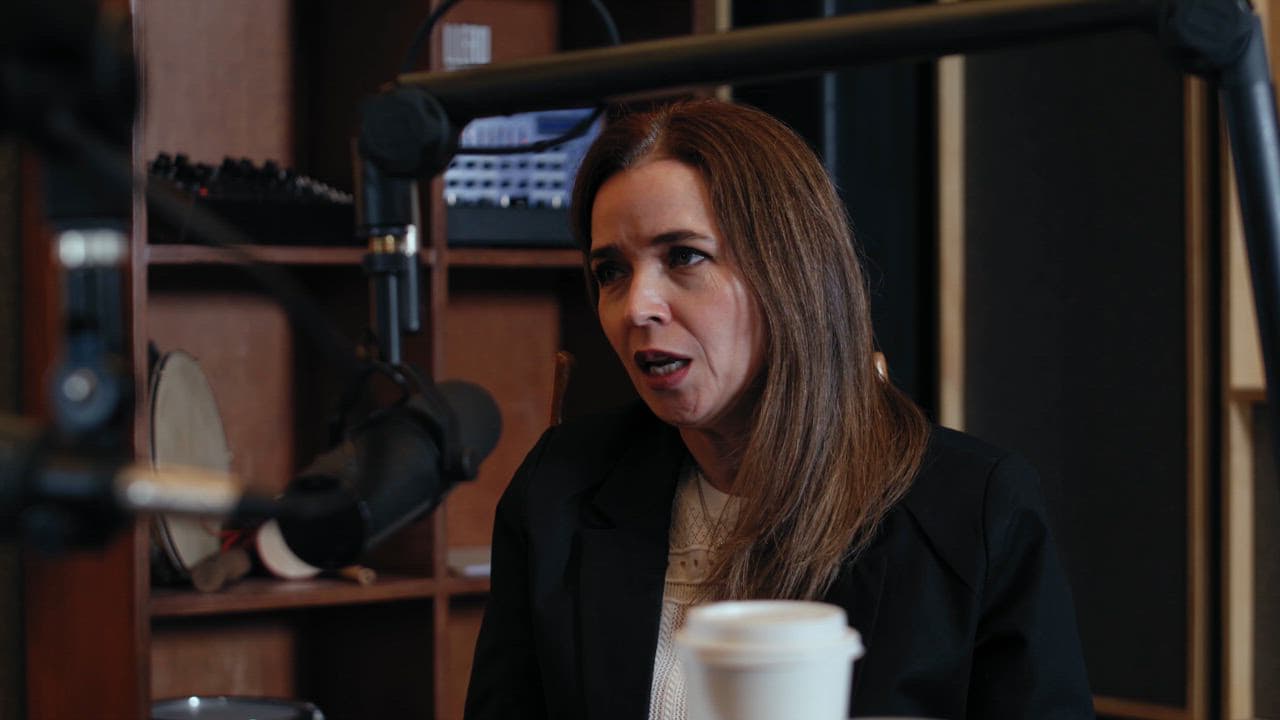
Most people host a webinar, send a replay link, and move on. That's leaving most of the value on the table. A one-hour webinar contains more raw material than the average creator produces in a month. You just have to know where to cut.
Start With the Transcript, Not the Video
Before you touch a single clip, pull the transcript. Most recording tools (Zoom, Riverside, even YouTube auto-captions) give you a rough one for free. It does not need to be perfect. You are mining it for ideas, not publishing it word for word.
Read through and mark anything that made you pause when you said it. A counterintuitive claim. A short story. A moment where the audience asked a question you had not thought about before. A framework you explained off the cuff. Those are your posts.
Aim for at least 15 to 20 flagged moments. A typical hour-long webinar hits that easily.
Map Your Clips to Content Formats
Not every moment needs to become a video clip. Some work better as plain text. Here is a simple breakdown:
- Short video clips (30 to 90 seconds): Use moments where you are telling a story or making a strong, quotable point. These work on LinkedIn, Instagram Reels, and TikTok.
- Text posts or threads: Use the frameworks, the step-by-step breakdowns, or any analogy you used to explain a concept. These convert well on LinkedIn and X.
- Quote graphics: Pull a single sentence that lands hard on its own. One strong sentence, clean background, your name. Done.
- Email content: The Q and A section of most webinars is basically a ready-made FAQ. Turn three or four answers into a short email or newsletter section.
- Blog posts or SEO articles: Any topic where you went deep, more than five minutes of focused explanation, can be expanded into a full post.
If you map 15 flagged moments across these formats, you are already looking at 20-plus pieces of content before you have written a single new word.
The Scheduling Problem Nobody Talks About
Here is where most people stall. They do the extraction, they have a folder full of clips and notes, and then they spend two weeks manually posting and slowly lose momentum. By week three, the folder is forgotten.
The fix is to batch and schedule everything in one sitting. Set aside two to three hours after the webinar. Export your clips, draft your captions, and load everything into your scheduling tool. Treat it like printing a batch of business cards. You do the work once and you are done.
One realistic schedule for a 30-day run:
- Week 1: Three video clips
- Week 2: Two quote graphics and one long-form text post
- Week 3: Three more clips, with different angles in the captions
- Week 4: One behind-the-scenes post about what you learned from hosting it
That is ten posts minimum, and you have not created anything new.
This is exactly the problem ReelCast was built around. You record one session, and it handles the clipping, captioning, and scheduling, so the two-hour extraction session shrinks to something you can finish before lunch. The content is already there. The hard part is just getting it out of the file and in front of people. ReelCast makes that part fast.