
The 3-second hook: how to start a short so people actually stay
A field guide to the opening line that decides everything.
On short-form, you do not get a beginning, middle, and end. You get three seconds to earn the next three. Nail the open and the algorithm rewards you. Fumble it and the best content in the world dies at a 12% watch rate.
Here is how to start strong every time.
The four hooks that reliably work
- The contrarian. "Posting every day is terrible advice. Here is what to do instead."
- The stakes. "This one setting is quietly killing your reach."
- The promise. "By the end of this you will never write a caption from scratch again."
- The open loop. "I almost deleted this account last year. Then I changed one thing."
Each one creates a small itch the viewer needs to scratch. That itch is retention.
The first frame is part of the hook
Words matter, but so does what is on screen at 0:00. A face mid-sentence beats a title card. Motion beats a static logo. And captions need to be there immediately, because most viewers read before they listen.
Steal this structure
Hook in the first three seconds, context by eight, payoff after that, and a soft button at the end. Front-load the value. Do not "save the best for last" on a platform built to scroll.
The unfair shortcut
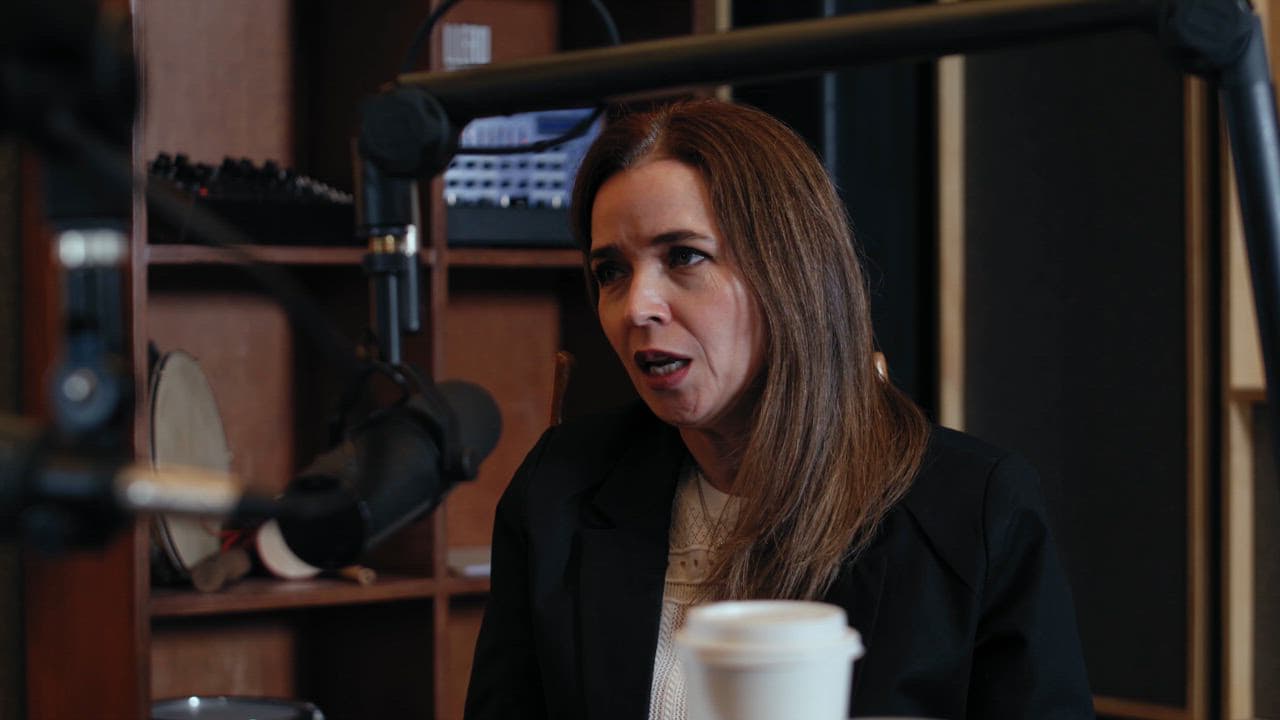
The best hooks are usually things you already said. The punchy line you delivered naturally on a podcast or call, before your "content brain" got in the way. Pulling hooks from real recordings beats inventing them cold.
It is also what ReelCast does automatically. It scans your long video for the lines that already work as openers and builds the clip around them. Your best hook is not waiting to be written. It is waiting to be found.