
One Webinar, Thirty Days of Social Content
Your best webinar is already a content calendar. Most people just don't know how to crack it open.
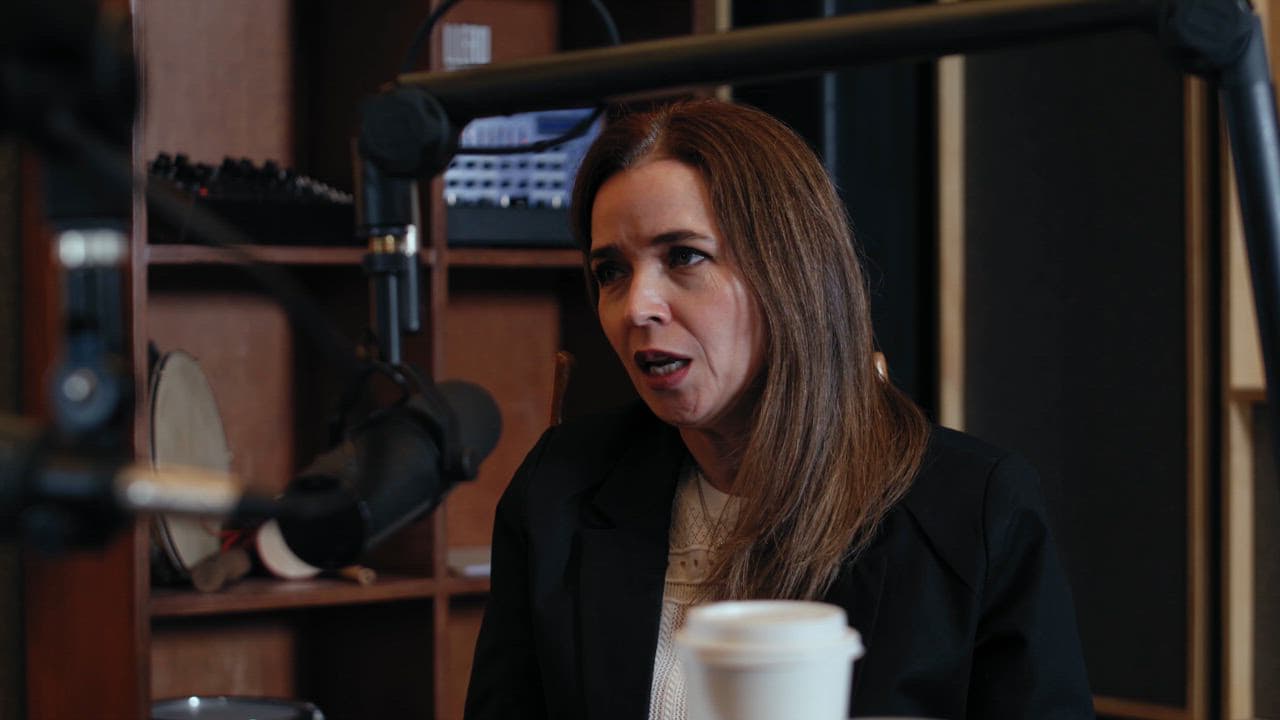
Most creators record a webinar, send the replay link to their list, and call it done. That is roughly $0 return on what was probably four hours of prep work. The recording sits in a folder somewhere, doing nothing.
Here is the thing: a single webinar contains more content than most people produce in six months. You just have to know where to look.
Find the Content That Is Already There
Before you open any editing software, go through your replay with a notepad. You are hunting for four types of moments:
- Sharp opinions. Any time you said something like "most people get this backwards" or pushed back on conventional wisdom, that is a standalone post.
- Mini frameworks. If you explained a process in three or four steps, that is a carousel or a structured thread.
- Questions from attendees. Live Q&A is gold. Each question someone asked out loud is a question your whole audience has but never typed.
- One-liners you almost glossed over. The throwaway lines often land harder than the rehearsed ones. Listen for them.
A 60-minute webinar will typically surface 12 to 20 moments worth saving. That is your raw material.
Turn Moments Into Posts (With a Simple System)
Once you have your list, batch the work. Do not try to write posts one at a time as inspiration strikes. That is how you end up posting twice in January and going dark until March.
Assign each moment a format:
- Short opinion quote becomes a text post or a graphic
- Multi-step framework becomes a carousel or LinkedIn document
- Attendee question becomes a "you asked, I answered" post
- A story you told mid-webinar becomes a narrative caption
- A stat or data point you cited becomes a shareable graphic
Then schedule them across four weeks, mixing formats so your feed does not feel repetitive. Two or three posts per week from one source is more than enough. You are not flooding anyone, you are just showing up consistently, which is all the algorithm actually rewards.
One practical note: do not just copy-paste transcript chunks. The way people talk in a webinar is rarely the way they want to read something. Clean it up, sharpen the point, cut the filler. The idea is the same. The delivery adapts to the medium.
The Part People Skip: Video Clips
Text posts are valuable, but short video clips from the webinar consistently outperform them on almost every platform right now. A 45-second clip of you making a strong point, with captions burned in, will get more reach than a paragraph saying the same thing.
The catch is that pulling clips is tedious if you do it by hand. Watching an hour of footage to find the three best moments, then trimming, exporting, adding captions, and resizing for each platform, is a real time commitment. Most people skip it entirely because the manual process kills the momentum.
This is exactly what ReelCast is built for. You drop in a long video, like a webinar recording, and it identifies the strongest clips, captions them automatically, and helps you schedule them out. The content calendar that most people never actually build becomes something you can set up in an afternoon.
Your next webinar should not retire after the replay email. It should be the foundation of the next month of your content.