
One Webinar, Thirty Days of Content
Most creators post their webinar replay link once and call it done. Here's what to do instead.
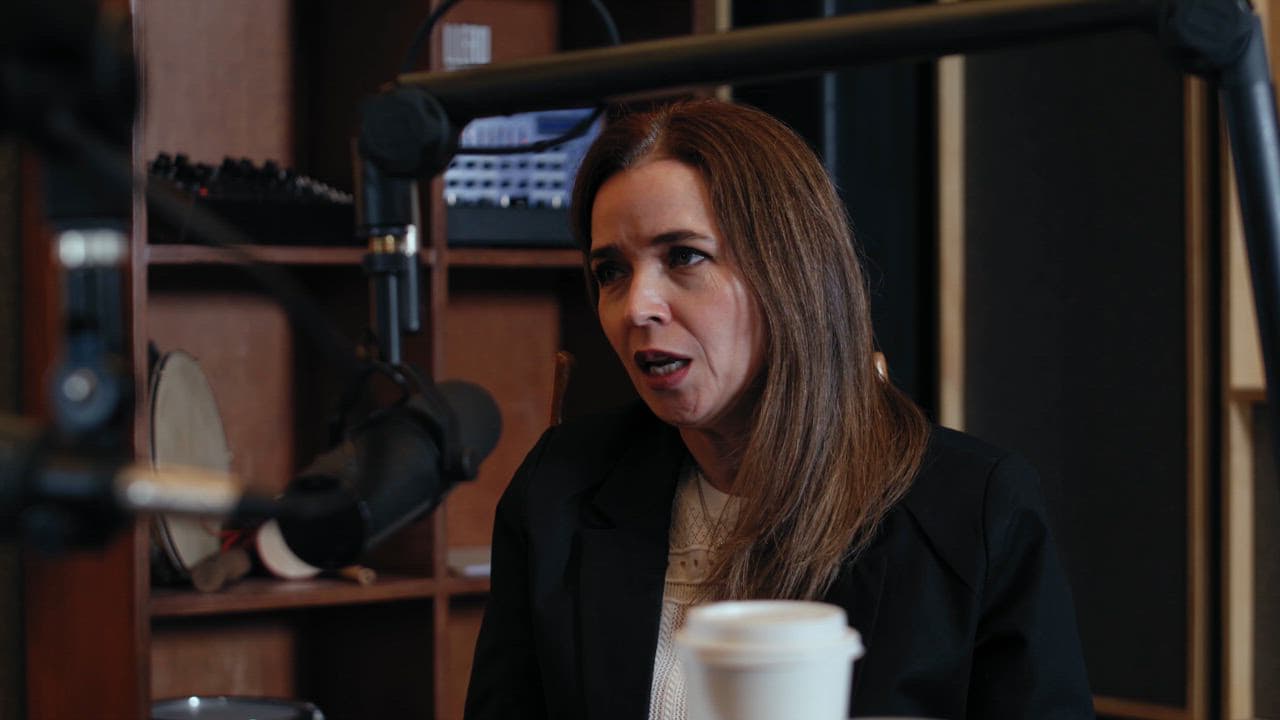
Most people finish a webinar, post the replay link to LinkedIn, and move on. That's leaving an enormous amount of usable material sitting on a hard drive doing nothing.
A typical 60-minute webinar contains somewhere between 8,000 and 12,000 spoken words. That's longer than most short business books. Inside that recording there are arguments you can defend, stories you can tell, mistakes you can admit, and frameworks your audience will actually want to save. The raw material is already there. You just need a system to pull it out.
Start by Cutting the Recording into Themes
Before you write a single caption, watch or skim your webinar and list every distinct topic you covered. A 45-minute webinar on email marketing might include your origin story, a rant about open rates, a step-by-step framework, a live Q&A answer about subject lines, and a hot take about unsubscribes. Those are five separate content pillars, not one replay.
Once you have your list, assign a content format to each pillar:
- A punchy opinion becomes a short text post or a quote card
- A step-by-step section becomes a carousel or a numbered thread
- A story or personal moment becomes a short video clip with captions
- A Q&A answer becomes a standalone post framed as a question from your audience
- A stat or counterintuitive finding becomes a hook-first post built around the surprise
That one webinar just became the backbone of 20 to 30 individual pieces of content.
Build a Simple Publishing Cadence
The reason most creators never do this is not that they lack ideas. It is that they sit down, stare at the recording, and try to turn it all into posts in one afternoon. That approach collapses fast.
A more practical method is to work in two passes. First pass: spend one focused hour pulling out direct quotes and key moments. Write them down in plain text, word for word from the transcript. Do not edit, do not polish. Just extract.
Second pass: on a different day, go through your raw quotes and shape them into posts. One quote per session. Write the post, pick the format, set the date.
For a month of daily content, you only need about 20 usable moments from your recording. Most webinars have three times that many. You could cover six weeks without recording a single new thing.
A few scheduling guidelines that actually hold up:
- Space out similar topics so your feed does not feel repetitive
- Put your most contrarian or surprising moment early in the month to build momentum
- Save the clearest how-to content for mid-month when initial engagement has settled
- Hold one or two pieces back and use them to promote the next webinar
The Part Nobody Talks About: Clips
Text posts are useful, but short video clips from your webinar do something different. They let people hear your voice, see your face, and feel the energy of a live moment. That builds trust faster than any caption ever will.
The catch is that most webinar recordings are long, unformatted, and not built for social. Cutting them down to 30-90 second clips with clear captions takes time and a bit of judgment about which moments actually land.
That is exactly what ReelCast was built to handle. You upload your long recording and it pulls out the strongest clips, adds captions, and gets them ready to schedule. The result is two weeks of video content from a single session, with a lot less manual work on your end. If you have a webinar sitting in your Google Drive right now, it is worth seeing what is actually inside it.