
One Webinar, Thirty Days of Social Content
You already did the hard work. Here's why your webinar should feed your content calendar for weeks.
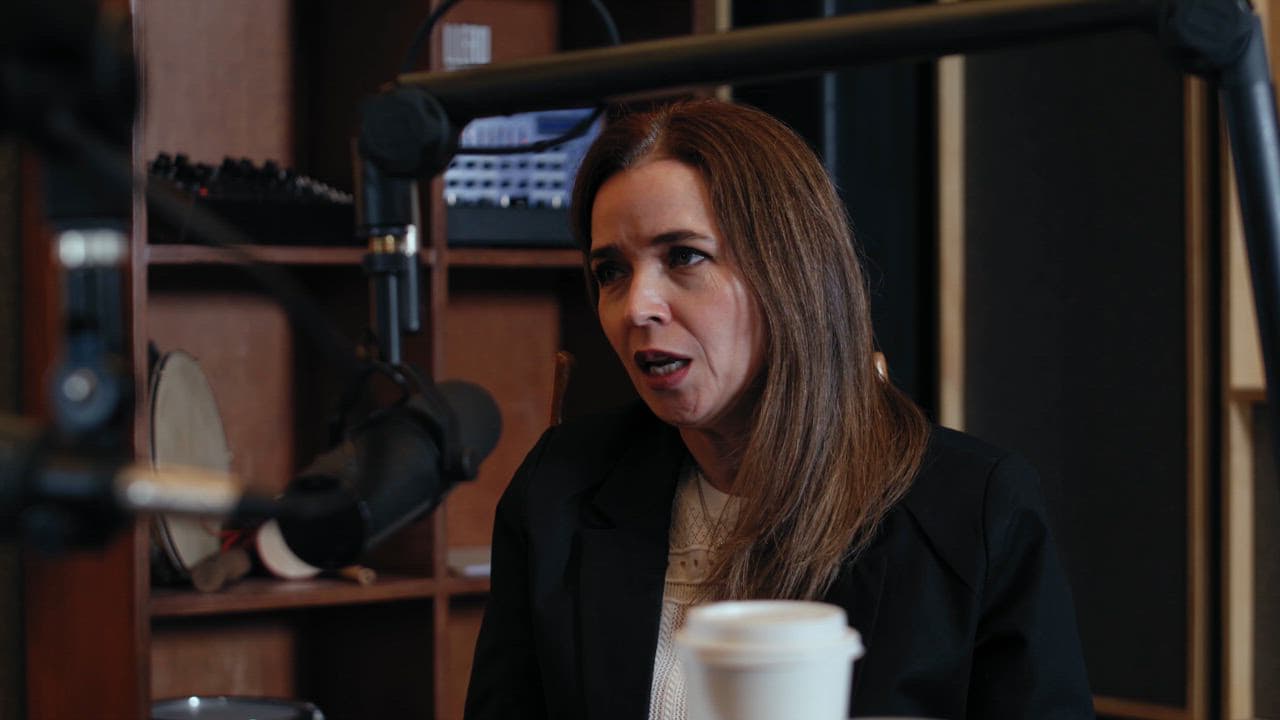
Most creators run a webinar, get a decent turnout, send a replay link, and move on. That's leaving the majority of the value sitting in a folder on your hard drive.
A single 60-minute webinar contains more quotable moments, tactical tips, and genuine insight than most people produce in a month of deliberate content creation. The problem is extraction. Nobody shows you how to actually pull it apart.
Here is a repeatable system that turns one recording into roughly 30 pieces of content.
Start With the Structure, Not the Timestamps
Before you clip anything, read your transcript (or a rough summary) and identify the natural sections. Most webinars have the same skeleton: a framing story, three to five core teaching points, a Q&A, and a close. Those sections are your content pillars for the month.
Each pillar becomes a theme for one week of posts. If you taught five things, you have five weeks. If you want to fit it in four, combine the lightest sections.
Once you have your pillars mapped, look for these specific content types inside each one:
- A counterintuitive claim or stat you dropped (great for standalone text posts)
- A step-by-step process you walked through (turns into a carousel or numbered list)
- A question someone asked that you answered well (reframe as a Q&A post)
- A personal story or analogy you used to explain something (short-form video gold)
- A concrete before-and-after example (works well as a two-panel image or a short clip)
That checklist alone gives you five to eight posts per pillar. Do the math.
The Clip-First Rule for Video Content
Text posts are fast to make, but short video clips are the ones that actually build an audience. The issue most people run into is that raw webinar footage is long, wordy, and not built for someone scrolling at 8am.
You need to cut for the single idea, not the context. Pick one sharp moment, 60 to 90 seconds max, where you said one thing clearly and completely. Add captions so it works on mute. Trim the warm-up filler at the start. That is a post.
Do this five or six times across your webinar and you have a week of Reels, Shorts, or TikToks before you have written a single word.
A practical order of operations: pull your video clips first, then write your text posts around the same themes. The clips anchor the ideas in something real. The text posts expand on them for the people who prefer reading.
Scheduling Without Losing Your Mind
The biggest reason this system breaks down is friction at the scheduling step. You have the clips and the copy, then stall out trying to figure out where each piece goes and when.
Keep it simple. Assign each platform a content type and stick to it. LinkedIn gets the text-based insight posts. Instagram and TikTok get the short clips with captions. Twitter or Threads gets the punchy one-liners pulled straight from the transcript.
Build two weeks at a time so you are never scrambling. The second two weeks of the month reposts the highest-performing pieces from week one and two, maybe with a slightly different caption angle.
This is exactly what ReelCast is built for. You drop in your webinar recording, and it pulls out clips, writes captions, and builds out a scheduled posting plan automatically. The structure described here is essentially what the tool does for you, without the manual back-and-forth of doing it all by hand. If you are already running webinars, you are already creating the raw material. The only question is whether you are letting most of it go to waste.