
One Webinar, Thirty Days of Content. Here's the Math.
Your last webinar probably contained a month of posts. Most people delete the recording and move on.
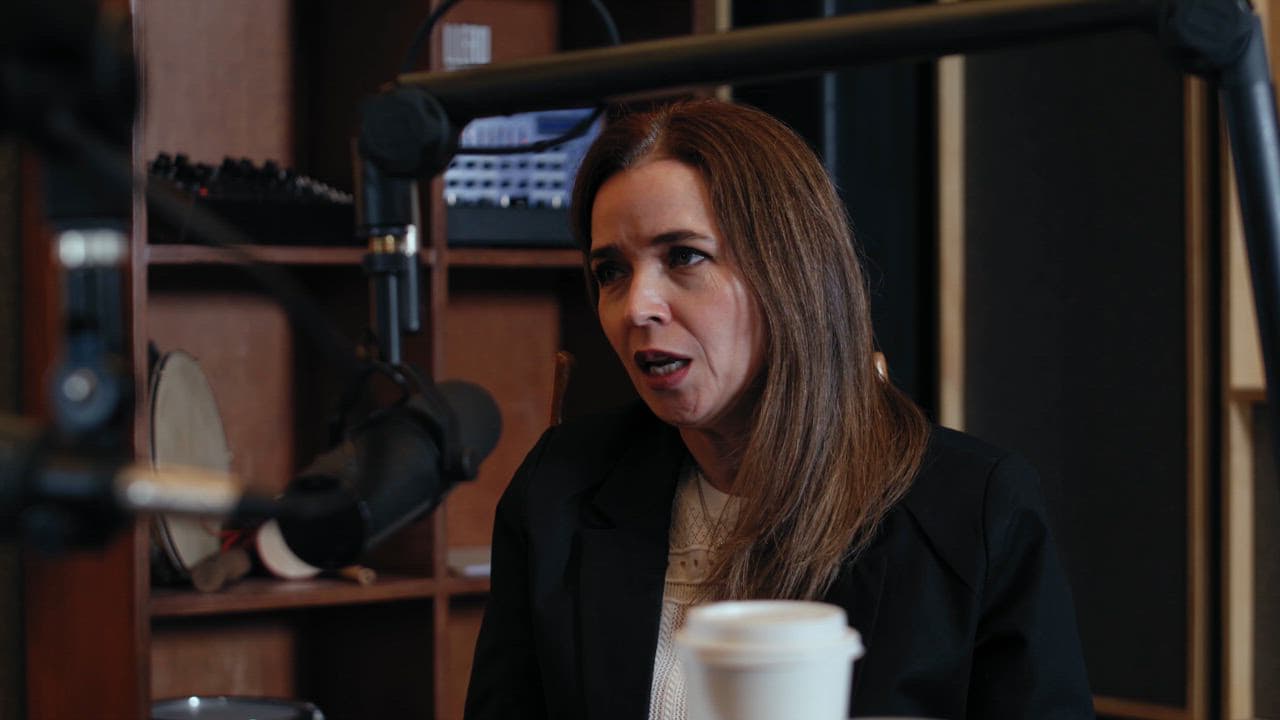
Most creators treat a webinar like a live event. It happens, it ends, maybe a replay link goes out, and then the whole thing quietly disappears.
That is a real waste. A 60-minute webinar is not a single piece of content. It is a content quarry. You just have to know how to mine it.
Stop Thinking in Formats, Start Thinking in Moments
The mistake most people make is trying to repurpose the whole recording. They export it, stare at 60 minutes of footage, feel overwhelmed, and do nothing.
The better move is to hunt for moments. A webinar is full of them.
- A sharp one-liner that made the audience nod
- A counter-intuitive stat you cited
- The exact moment you answered a great audience question
- A short story or analogy you used to explain something tricky
- The single clearest sentence that summarized your whole point
Each of those is a post. Or a clip. Or both.
Go through your webinar transcript (if you do not have one, most recording tools will generate one automatically now) and highlight every moment that made you pause. Those are your raw materials.
The 30-Day Stack
Here is a simple framework for turning one webinar into four weeks of content without repeating yourself.
Week 1 - The key argument. Pull the central thesis of your webinar and write it as a standalone post. No context needed. Just the idea, stated plainly and confidently.
Week 2 - The clips. Find three to five short video segments, each under 90 seconds, where you said something specific and useful. Caption them and post them individually. Each one works on its own.
Week 3 - The supporting evidence. Take the stats, examples, or frameworks you mentioned and give each one its own post. These build credibility in a way the original webinar could not, because now people who missed it can encounter the ideas one at a time.
Week 4 - The Q&A. Audience questions are gold. Pick the two or three best ones and turn each into a post. "Someone asked me X during a recent webinar" is a strong opener. It signals that real people found this relevant.
That is roughly 10 to 15 posts from a single webinar, spread across 30 days, with no new ideas required.
The Thing Nobody Tells You
Repurposing is not lazy. It is actually how ideas spread.
The first time someone sees a concept, they might scroll past it. The third time, it clicks. Repetition across formats, platforms, and weeks is not spam. It is how information sticks.
People who attended your webinar live will not mind seeing a clip surface later. And the much larger group who never attended will finally get access to ideas they would otherwise miss entirely.
The only version of this that fails is when you copy-paste the same caption onto the same video five times. Different format, different angle, different entry point. That is what keeps it fresh.
ReelCast was built for exactly this workflow. You upload your webinar recording, and it pulls out the strongest clips automatically, adds captions, and builds a posting schedule around them. The quarry work happens in the background. You just approve and post.
One recording. Two weeks of clips, scheduled and ready. That is the whole pitch.