
One Webinar, Thirty Days of Content. Here's How.
Your last webinar is already a full content calendar. Most people just don't know how to cut it up.
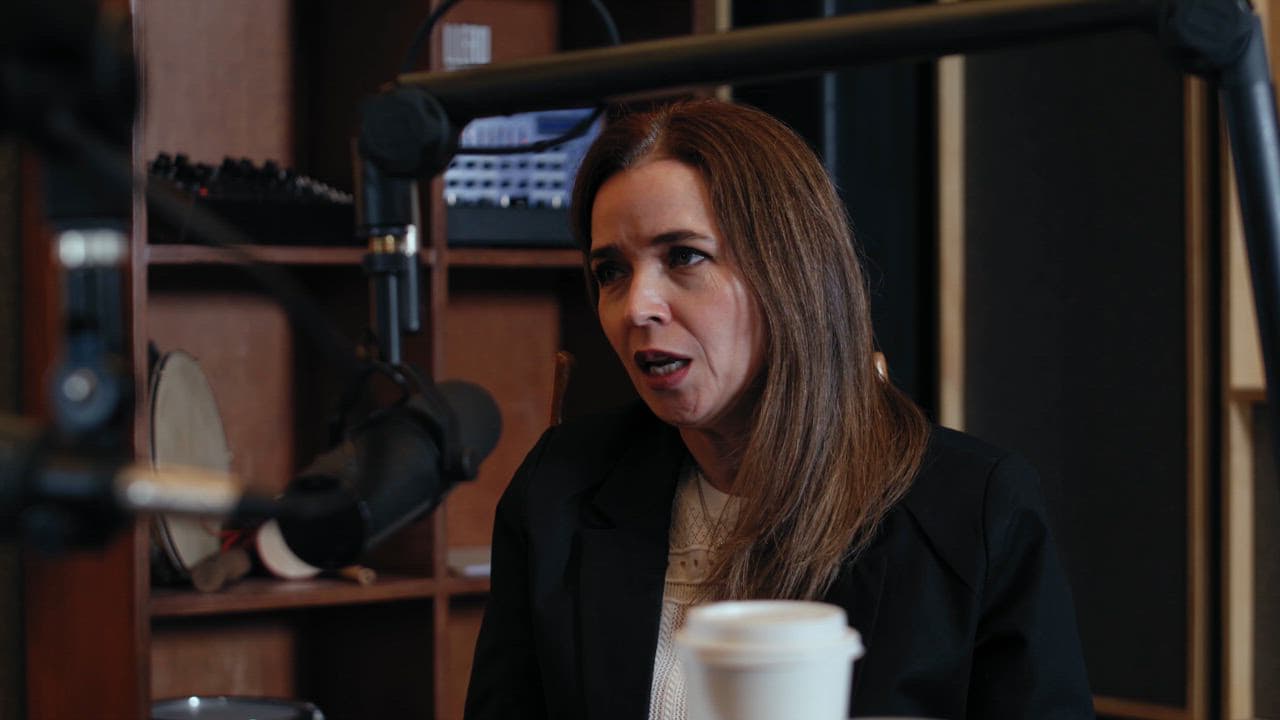
Most founders run a webinar, post a replay link, get three clicks, and move on. That is a brutal waste of material. A 60-minute webinar is not one piece of content. It is closer to thirty, if you know where to look.
Here is the honest problem: most people treat repurposing as a nice-to-have they will get to eventually. They never do. So let's make this concrete and actually usable.
Start With a Simple Audit of What You Already Said
Before you cut anything, watch your webinar back with a notepad open. You are hunting for three things:
- Moments of strong opinion. Any time you said "I actually disagree with the common advice here" or "most people get this wrong," that is a clip.
- Frameworks or step-by-step sequences. These become carousels, threads, or short-form explainers almost automatically.
- Audience questions you answered. Questions are gold because they reflect real confusion in your market. Each Q and A pair is its own standalone post.
A 60-minute webinar typically holds 8 to 12 of these moments. That is your raw material.
Map the Moments to Formats
Once you have your list, match each moment to a format based on what it actually is, not what you wish it were.
A hot take or punchy one-liner works as a quote graphic or a 15 to 30 second talking-head clip. A framework with three or more steps becomes a carousel on LinkedIn or Instagram, or a Twitter/X thread. A longer explanation, say 90 seconds to three minutes of you walking through something detailed, works well as a native video post on LinkedIn or a YouTube Short. An audience question you answered becomes a standalone post framed as "Someone asked me X. My answer:" and then you write it out clean.
If you map 10 moments across those formats, you already have 10 posts. Publish one every three days and you have covered an entire month without generating a single new idea from scratch.
The Part Most People Skip: Writing the Copy
Clips and graphics need captions. This is where most repurposing falls apart. People pull the clip, slap the raw transcript as a caption, and wonder why nobody engages.
Good caption copy for a repurposed clip does two things. First, it gives context so someone who has never heard of you understands the point without watching. Second, it ends with a question or a statement sharp enough to make someone want to comment. That is not complicated, but it does take one focused pass per post.
A practical approach: write all your captions in one sitting right after you finish your moment audit. Batch it while the content is still fresh in your head. You will write faster and the voice will stay consistent across the whole month.
This is exactly the kind of workflow ReelCast is built around. You drop in your webinar recording, and it identifies the strong moments, cuts clips, adds captions, and builds out a posting schedule, so you are not spending three hours in a video editor every time you want to get value out of content you already made. The thinking above still applies. ReelCast just handles the production so you can spend your time on the strategy, not the exporting.