
How to Turn One Webinar Into a Month of Social Posts
You spent weeks preparing that webinar. Here's why the recording is actually where the work begins.
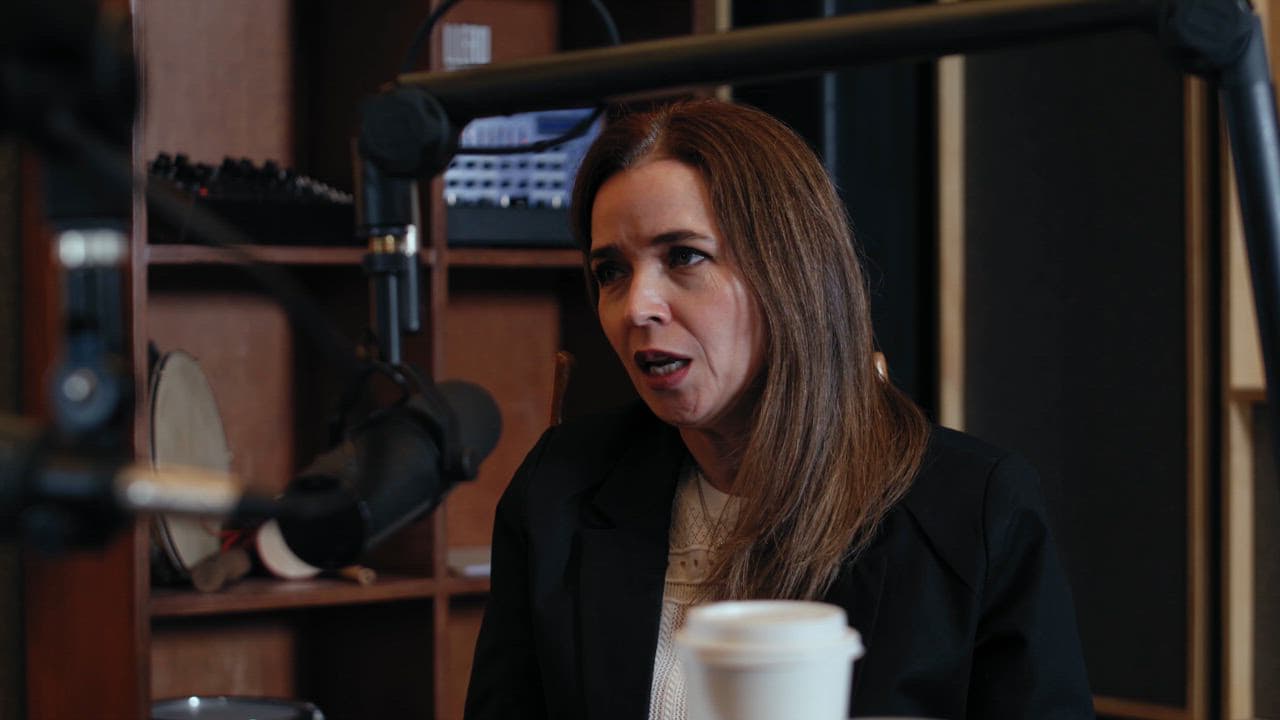
Most people host a webinar, send the replay link to attendees, and move on. That's leaving a lot on the table. A single 60-minute webinar contains enough raw material to fill your content calendar for a month without writing a single post from scratch.
You already did the hard part. You researched, structured, and delivered real ideas to a live audience. The repurposing is just editing, not creating.
Start by Pulling the Best Moments
Before you think about platforms or formats, do one thing: watch your recording with a notepad open. Mark every moment that made the audience react, every sharp one-liner, every story, and every tactical tip that someone could act on today.
You're looking for four types of moments:
- Strong opinions. Any time you pushed back on conventional wisdom or made a bold claim.
- Step-by-step advice. Anything you explained in three or more concrete steps.
- Personal stories. Anecdotes that made the content real and specific.
- Quotable lines. Sentences short enough to screenshot and share.
A typical one-hour webinar will give you 10 to 15 of these moments. That's your raw material.
Map Each Moment to a Format
Once you have your list, the format usually picks itself. A bold opinion becomes a Twitter thread or a LinkedIn post that argues a point. A step-by-step section becomes a carousel. A good story becomes a short caption with a single image. A quotable line becomes a graphic.
For video clips, the bar is lower than most people think. A 60-second clip where you explain one idea clearly, with captions, performs well on Instagram Reels, LinkedIn, and TikTok. You do not need a cinematic production. You need a clear point and readable text on screen.
Here is a rough breakdown of what one webinar can realistically produce:
- 8 to 10 short video clips (30 to 90 seconds each)
- 4 to 6 carousels or image posts
- 6 to 8 text-only posts for LinkedIn or Twitter
- 1 newsletter recap or blog post using the full transcript
- 1 YouTube version with chapters added
That is roughly 20 to 25 pieces of content from one recording. Posted at three to four times a week, that is five to eight weeks of content, not four.
The Part Most People Skip
Distribution. People repurpose content and then post everything at once or batch it all in week one. Space it out. Your webinar covered multiple topics, so treat each clip or post as a standalone idea. A viewer who never attended the webinar should not feel like they are watching leftovers. They should feel like they found something genuinely useful.
Add fresh context when you repost. A quick sentence explaining why the tip matters right now makes recycled content feel current, not lazy.
The real problem is not knowing what to do. It is that cutting clips, adding captions, writing posts, and scheduling everything takes hours most founders simply do not have. That's exactly what ReelCast is built for. You upload your webinar recording and it pulls the best clips, adds captions, and drafts two weeks of scheduled posts automatically. The thinking is already done. ReelCast just removes the grind of execution so you can actually ship the content instead of planning to.