
One Webinar Can Fill Your Entire Content Calendar
Most creators treat a webinar like a single event. It's actually a content goldmine you're probably leaving untouched.
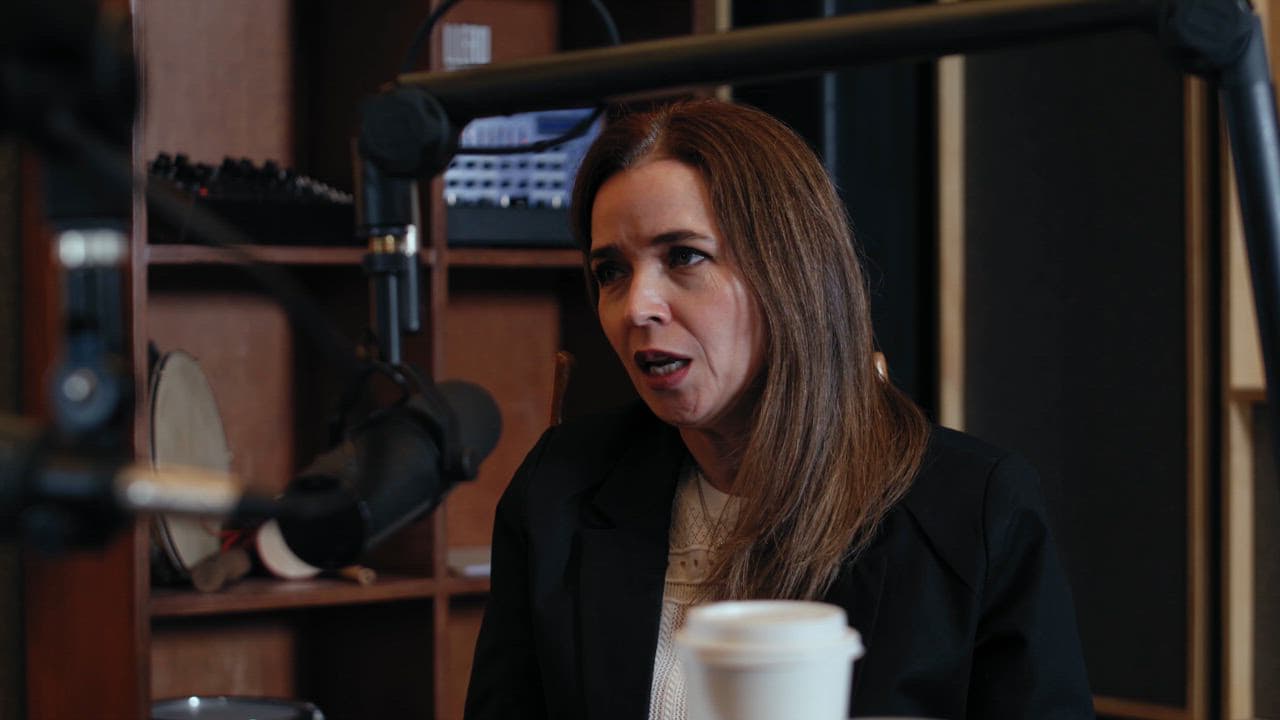
You spend three weeks preparing a webinar. You go live, answer questions, share real insights. Then you post a replay link and move on.
That's the most expensive mistake in content marketing, and almost everyone makes it.
A single 60-minute webinar contains more original thinking than most people produce in a quarter. The problem is extraction, not creation. You already did the hard work. Now you just need a system to pull the value out.
Start by Treating the Recording as Raw Material
Watch your webinar back, or read the transcript, with a notepad open. You are not watching it as a viewer. You are mining it for pieces.
Here is what you are looking for:
- Sharp one-liners. Any sentence that made the audience laugh, react, or type something in chat.
- Contrarian takes. Places where you said something that pushes back on common advice.
- Frameworks you explained. Any time you used a numbered list or a step-by-step breakdown.
- Audience questions. These are almost always great post topics because they reflect real confusion in your market.
- Personal stories. Moments where you said "this happened to me" or "a client once told me."
A typical 60-minute webinar will surface 15 to 25 usable moments using this approach.
Map Each Moment to a Format
Once you have your list, the next step is matching each piece to a content format that fits it.
A one-liner becomes a quote graphic or a punchy 15-second clip. A framework becomes a carousel or a Twitter/X thread. An audience question becomes a short "you asked, I'll answer" video. A personal story becomes a LinkedIn post. A contrarian take becomes a caption with a strong opinion attached to a still image.
That is not 25 posts that all feel like leftovers from the webinar. That is 25 original-feeling posts that each stand on their own.
Spread across four weeks, posting five days a week, you have exactly a month covered. And because every piece traces back to one coherent event, the content has a consistency that random posting rarely achieves. Your audience sees the same core ideas from multiple angles, which is actually how people absorb and remember things.
One more thing worth doing: pull two or three of your best clips and run them as short-form video. Clips from a real live event carry more credibility than polished studio content. The energy is different. Audiences can feel it.
The Part Most People Skip
Scheduling. People do the extraction work and then the posts sit in a folder until they go stale. Batching content means nothing if you do not also get it out the door on a consistent schedule.
This is the step that kills most good intentions. Life happens, a busy week hits, and the folder of clips and captions never gets published.
That is exactly the gap ReelCast was built to close. You drop in your webinar recording, and it pulls the clips, generates captions, and schedules posts across your channels. The extraction and the scheduling happen in one pass, not two separate projects you have to find time for.
You already did the hard part when you showed up and taught something valuable. The content is already there. It just needs a shorter path from recording to published.