
One Webinar Can Feed Your Social Calendar for a Month
Most creators record a webinar, post the replay link, and move on. That's leaving 80% of the value on the table.
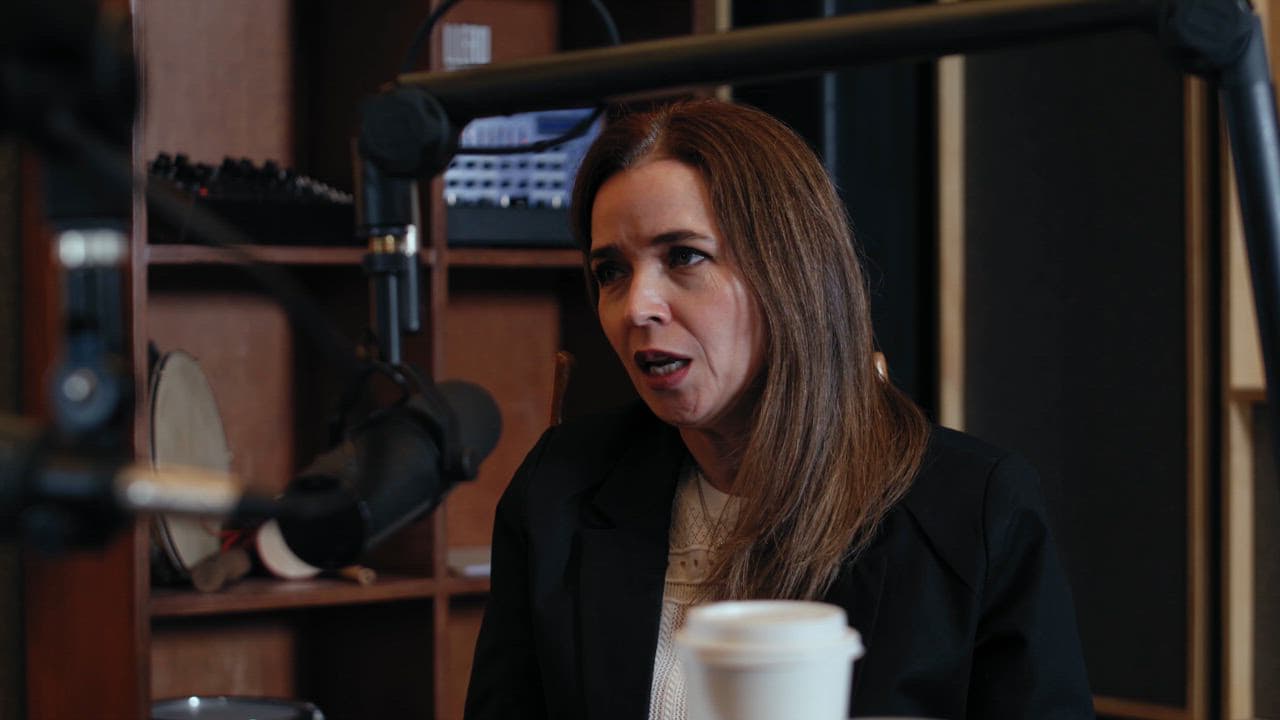
Most creators record a webinar, post the replay link, and move on. Maybe they get 40 views on the replay. Then the whole thing sits in a Google Drive folder, quietly collecting dust.
That 60-minute recording is worth more than you think. Here is how to squeeze a full month of social content out of a single webinar.
Start With a Transcript, Not a Timeline
The mistake most people make is scrubbing through the video looking for good moments. That takes forever and your eyes glaze over. Instead, pull a transcript first. Tools like Otter.ai or even YouTube's auto-captions can get you a rough one fast.
With a transcript in front of you, you are reading, not watching. You can highlight quotes, frameworks, and hot takes in minutes instead of hours. Once you have your highlights, sort them into buckets:
- Quotable moments - strong one-liners or counterintuitive claims
- Tactical steps - anything you said that answers a specific 'how do I' question
- Stories or examples - anecdotes that make a point land emotionally
- Objections you addressed - these become great debate-style posts
A standard 60-minute webinar will give you 15 to 25 usable items across those four buckets without much effort. That is already more than three weeks of daily content.
Turn Each Bucket Into a Different Format
One piece of raw material does not mean one type of post. The format should match the content.
Quotable moments work well as text-only posts on LinkedIn or X. Drop the quote, add two sentences of context, done. Tactical steps are perfect for carousels or short threads where you walk through each point one by one. Stories and examples are where short-form video wins. A 60-second clip of you telling a story, with captions, will outperform a static graphic of the same story almost every time. Objections you addressed are gold for comments and replies, but they also work as 'hot take' posts that invite people to push back.
Spreading these across a month is simple. Use quotables on Mondays to start the week with something sharp. Run tactical posts mid-week when your audience is in work mode. Save stories for Fridays or weekends when people are more likely to pause and read.
The Part Most People Skip: Captions on Video Clips
Short video clips from your webinar are probably the highest-ROI content you can post. But a clip without captions loses roughly 85% of its potential audience. Most people scroll with sound off. If they cannot read what you are saying in the first three seconds, they keep scrolling.
Adding captions manually to even four or five clips per month is a real time sink. This is where the production side of content repurposing tends to fall apart. People have the strategy but not the bandwidth to actually execute it.
ReelCast was built exactly for this gap. You upload the webinar recording, and it pulls out the strongest clips, adds captions, and builds out a posting schedule for you. The strategy above is what ReelCast automates: one long recording becomes two weeks or more of ready-to-post content, without you spending a weekend in a video editor.
You already did the hard work when you ran the webinar. The content is there. It just needs to be cut and scheduled.