
One Webinar, Thirty Days of Social Content
You already did the hard work. Here's how to make one webinar feed your entire content calendar for a month.
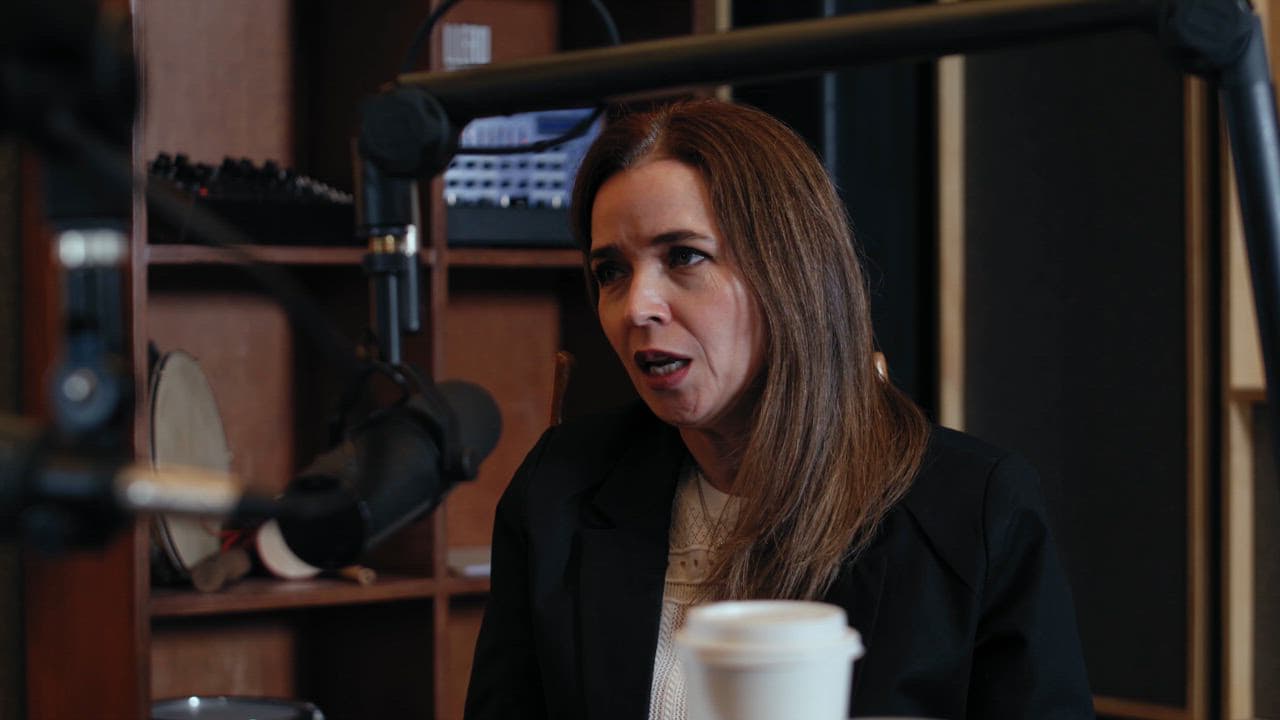
Most founders run a webinar, export the recording, and then... nothing. It sits in a Drive folder while they stress about what to post on Tuesday. That is a waste of the most content-dense hour you probably recorded all quarter.
A single 60-minute webinar contains more usable material than most people produce in a month. You just need a system to pull it apart.
Start With the Anatomy of Your Webinar
Before you touch any editing tool, watch your recording once with a notepad. You are looking for five types of moments:
- Strong opinions - anything you said that a reasonable person might disagree with
- Tactical tips - specific, numbered steps your audience can act on immediately
- Surprising stats or data - figures that made attendees pause or ask follow-up questions
- Stories - the anecdotes you told to make a point land, even short ones
- Q&A gold - the questions your audience actually asked, because those reveal real confusion and real curiosity
Most webinars have 8 to 12 of these moments. Each one is a post. Some become two or three posts when you spread them across formats.
Map the Moments to Formats
This is where the math starts to work in your favor. Take one moment and ask: what does this look like as a short video clip, a text-based LinkedIn post, a carousel, a quote graphic, and a tweet-length one-liner? Not every moment works in every format, but most work in two or three.
Here is a rough template for a 30-day calendar from one webinar:
- Week 1 - publish 2 to 3 short video clips from the most punchy moments. Let the original recording do the talking.
- Week 2 - write 2 text posts expanding on your strongest opinions from the webinar. Add context you did not have time for live.
- Week 3 - turn your tactical tips into a carousel or a numbered list post. People save these. They share these.
- Week 4 - revisit the Q&A. Answer one or two questions as standalone posts. Frame them as things your audience keeps getting wrong, or keeps asking about.
That is already 10 to 12 posts. Add a few quote graphics and a recap post and you are at 15 without breaking a sweat.
One rule worth keeping: do not just copy-paste chunks of transcript. Rewrite for the platform. What works as spoken explanation in a webinar often reads flat as text. Trim it. Sharpen it. Give it a first line that makes someone stop scrolling.
The Part Most People Skip
Scheduling. Content that lives in a spreadsheet does not help anyone. Once you have your 30 pieces mapped, batch-schedule them. Pick one afternoon, load them into your scheduler of choice, and close the tab. That is your month done.
The creators who show up consistently are rarely working harder. They are just more systematic about extraction and scheduling.
This is exactly what ReelCast is built for. You drop in a long recording, and it finds the strong moments, cuts them into captioned clips, and builds out a scheduled posting plan. The webinar you already recorded could realistically become two weeks of clips and posts without you manually scrubbing through timestamps. If you have a recording sitting idle right now, that is the place to start.