
One Webinar, Thirty Days of Content: Here's How
You spent weeks preparing that webinar. Posting it once and moving on is leaving most of your work on the table.
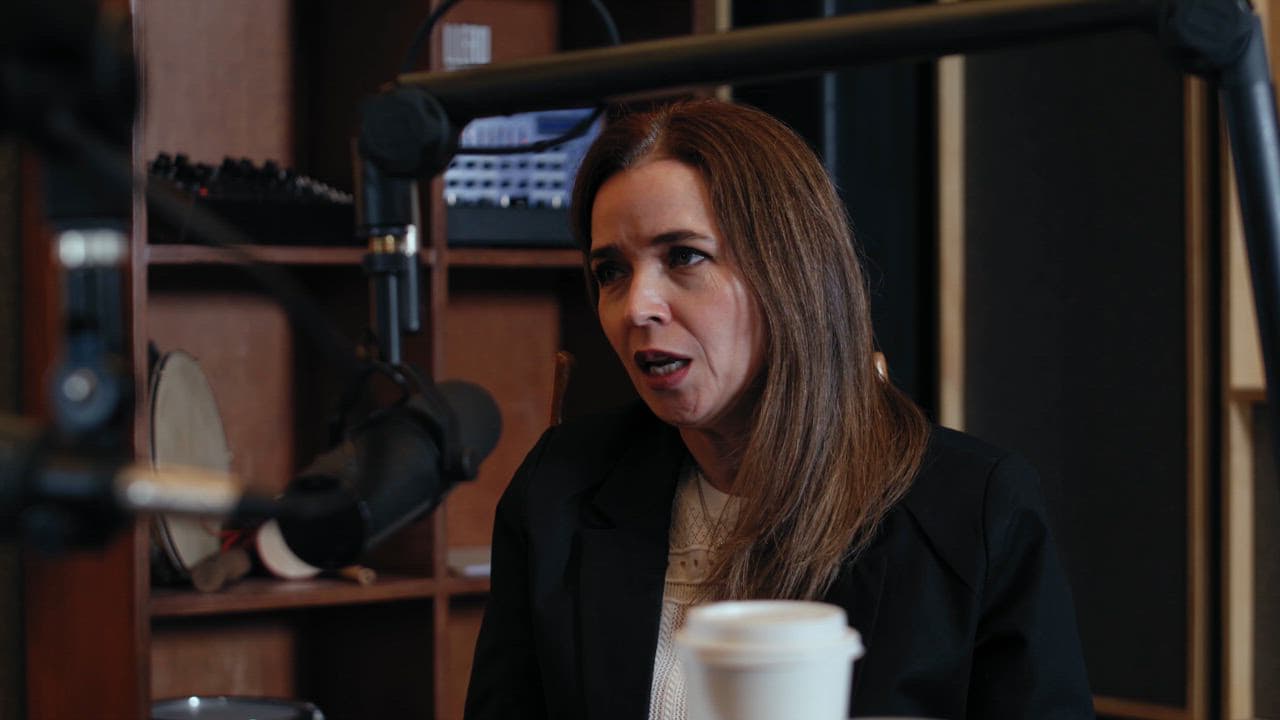
Most founders run a webinar, share the replay link once, and call it done. That's roughly eight to twelve hours of prep compressed into a single LinkedIn post that gets fourteen likes. There's a better way to think about this.
A webinar is not a piece of content. It's a content quarry. The actual posts, clips, and threads are still buried inside it, waiting to be cut out.
Break the Recording Into Logical Chunks First
Before you write a single post, map the structure of the webinar. Most hour-long webinars naturally fall into four to six distinct segments: an opening hook, a core framework, two or three teaching points, a Q&A, and a closing call to action.
Each of those segments is its own content unit. Treat them that way. A ten-minute segment on a specific tactic can become:
- A short-form video clip with captions for LinkedIn or Instagram Reels
- A Twitter or X thread walking through the same idea in text
- A carousel post with one slide per step
- A quote graphic pulled from something you said that landed well
- A "hot take" post that opens with your most contrarian point from that section
That's five posts from one segment. Multiply by five segments and you're at twenty-five pieces before you've even touched the Q&A.
The Q&A Section Is Underrated Gold
Most people ignore the audience questions at the end. Those questions are the best part. They show you exactly what confused people, what excited them, and what they actually care about.
Pull out four or five of the sharpest questions and turn each one into a standalone post. Frame it as "A question I keep getting about X" or "Someone asked me this during a recent webinar and I couldn't stop thinking about it." That framing feels personal and conversational, not recycled.
You can also aggregate several questions into a single FAQ post or a "things people get wrong about X" piece. That's another three to four posts with almost no additional thinking required.
Schedule It So the Content Breathes
Dump everything into a spreadsheet with planned publish dates before you write a word of copy. Spreading thirty posts across thirty days sounds obvious, but most people batch-create and then post randomly, which means followers get three posts in one week and nothing for two weeks after.
A simple rhythm that works well:
- Monday: educational text post or thread
- Wednesday: short video clip from the webinar
- Friday: quote, quick tip, or question post
Rotate through your segments in order so the content tells a loose story across the month. People who see multiple posts will get more value. People who catch only one still get something useful.
The honest bottleneck here is not ideas. It's the time it takes to clip the video, add captions, write the copy, and schedule everything. That production layer is where most solopreneurs give up and go back to posting once a week.
ReelCast was built specifically to handle that layer. You drop in your webinar recording, and it pulls out the clips, adds captions, and gives you a scheduling queue ready to go. The thinking above is still yours to do. The tedious part doesn't have to be.