
One Webinar, Thirty Days of Social Content
You already did the hard work. Here's how to stop letting that 60-minute recording collect dust.
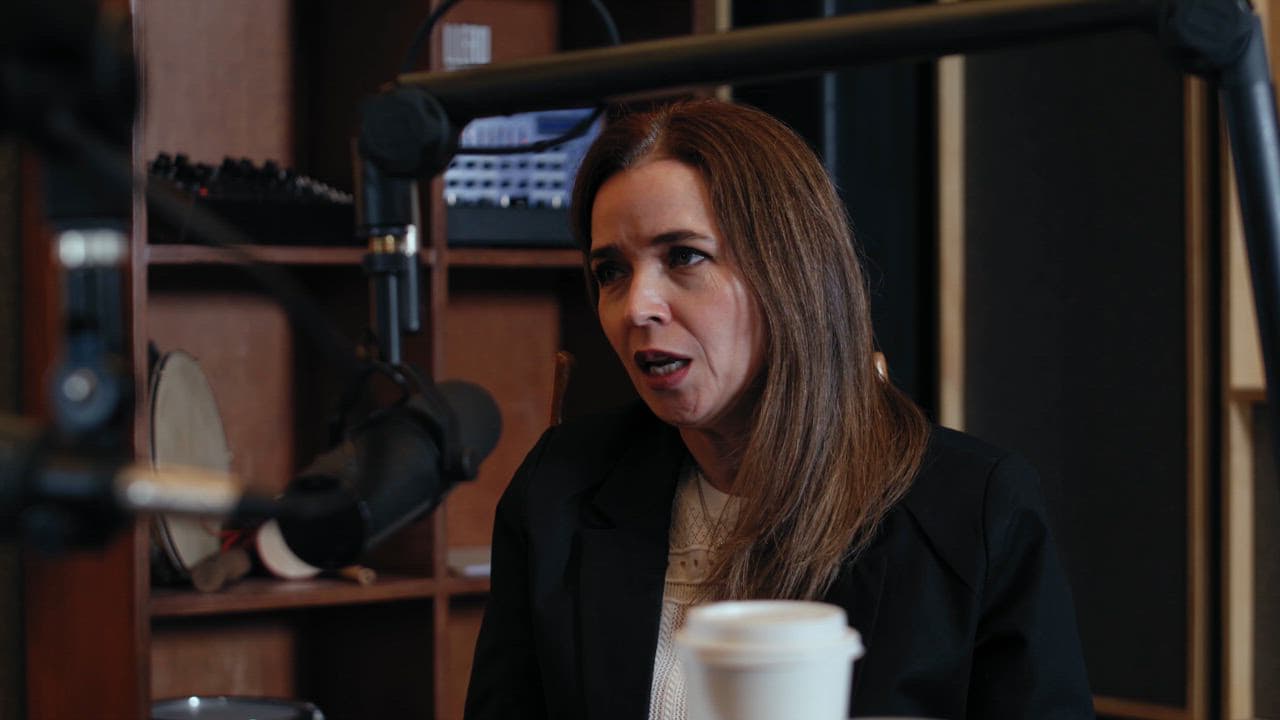
Most creators host a webinar, send the replay link to their list, and move on. That's leaving somewhere between 20 and 40 pieces of usable content sitting in a folder, completely ignored.
A single hour-long webinar contains more raw material than most people produce in a month. The problem is not the content. The problem is the workflow to extract it.
Here is how to actually do this, step by step.
Break the Webinar Into Chapters First
Before you clip anything, watch the recording with a notepad and timestamp every topic shift. A typical 60-minute webinar has somewhere between 6 and 10 distinct segments. Each one is a content unit you can work with.
For each segment, ask three questions:
- What is the one sentence takeaway from this section?
- Is there a moment where I said something surprising, specific, or counterintuitive?
- Did the audience react visibly, or did I get a good question about this topic?
Those moments are your clips. Everything else is supporting material.
What to Make From Each Segment
This is where most guides get vague. They say "turn it into content" without explaining the mechanics. So here is a concrete breakdown for a single webinar segment.
Say you have a 7-minute section on pricing strategy. From that one segment you can pull:
- A 60-90 second short-form video clip with captions, built around the sharpest point you made
- A text post that expands the same idea, written as a standalone argument
- A carousel or thread walking through the tactical steps you described
- A poll or question post using a provocative claim from that section as the prompt
- A quote graphic if you said something punchy and specific
That is five posts from one segment. Multiply by eight segments and you have 40 pieces of content from one recording. Even if half of them do not feel strong enough to publish, you still have a full month covered.
The Part Nobody Talks About: Scheduling Without Burning Out
Creating the content and actually getting it out are two different problems. Most solopreneurs do a burst of repurposing energy after a webinar and then drop it entirely when the next project comes up.
The way to avoid that is to batch your distribution decisions at the same time you batch your creation. When you pull the clip, decide immediately which platform it goes to, what day it publishes, and what format it takes. Make that call once and put it in a queue. Do not leave it as an open question for future-you to answer.
A simple spreadsheet works. A scheduled post tool works better. The goal is to never look at a piece of content and think "I should post this sometime" because that means it will never go out.
This whole process, from raw recording to a month of scheduled posts, is exactly what ReelCast is built to handle. You upload the webinar, it generates the clips with captions, and the posts get scheduled across your channels automatically. The strategy above is the thinking behind how the tool works. If you are already hosting webinars, you have more content than you realize. You just need a faster path from the recording to your audience's feed.