
How to Turn One Webinar into a Month of Social Posts
You already did the hard work. Here's how to stop letting it collect dust in your Google Drive.
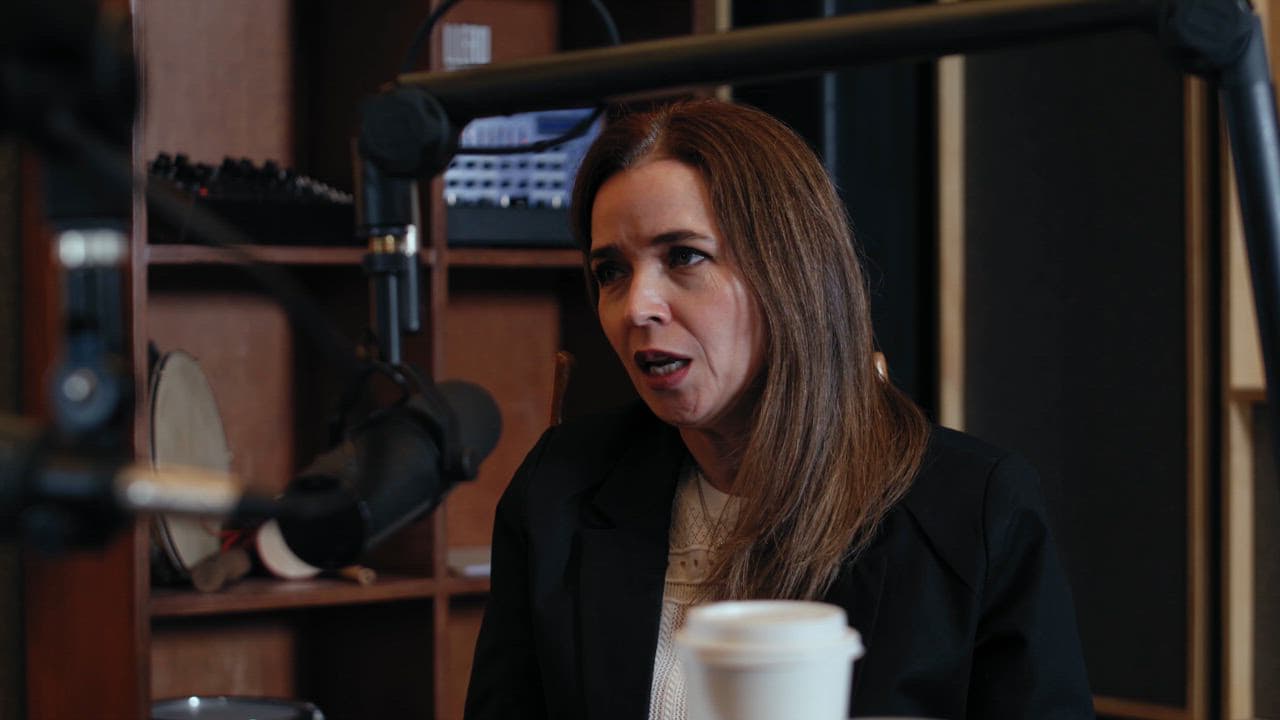
Most webinars die the same death. You spend weeks preparing, you show up live, maybe 40 people watch, and then the recording sits in a folder nobody opens. That's not a content problem. That's a distribution problem.
One 60-minute webinar contains more usable content than most people produce in a quarter. The trick is knowing how to cut it apart.
Stop Thinking 'Video First'
The instinct is to post the full recording and call it done. Nobody watches a 60-minute replay on LinkedIn. What people will watch, read, or save are the moments inside that recording.
Your webinar already has a structure. There was a strong opening hook, a few meaty teaching sections, probably some Q&A, and a close. Each of those is a different content format waiting to happen.
Start by listening back and pulling timestamps for:
- The single sharpest thing you said in the first five minutes
- Any moment where you gave a counterintuitive take
- The question from the audience that made you pause and think
- A stat, framework, or analogy you explained clearly
- Your closing call to action or main takeaway
That list alone gives you five to eight distinct pieces. And you haven't written a single word yet.
How to Build the Month Out
Once you have your moments, match each one to the format it fits best.
A sharp, short clip from your intro becomes a Reel or TikTok. A framework you walked through becomes a carousel on Instagram or a thread on X. The audience Q&A becomes a standalone post framed as 'I got asked this question and here is what I said.' The closing takeaway becomes a quote graphic or a simple text post.
Now layer in some connective tissue. Write two or three posts that reference the webinar indirectly, things like 'I keep coming back to something I noticed while teaching last week.' That kind of post builds on the original content without feeling like a rerun.
A rough breakdown for 30 days might look like this:
- Week 1: Two short video clips, one text post with the core insight
- Week 2: A carousel breaking down your main framework, one Q&A post
- Week 3: A 'what I got wrong about X' reflection, one behind-the-scenes post about prep
- Week 4: A roundup post linking everything together, plus one teaser if you plan to run it again
That is twelve pieces of content from one recording. No new ideas required.
The Part People Skip
Captions. Seriously. Most clips from webinars go out without captions and tank in performance because 80 percent of people scroll with the sound off. If your clips are not captioned, they are not being watched.
This is where most creators hit a wall. The ideas are there. The content is there. The editing, captioning, and scheduling is where momentum dies.
ReelCast handles exactly that part. You drop in your webinar recording, and it generates captioned clips plus a full calendar of posts ready to schedule. The strategy above is still yours to direct, but the production work that usually kills follow-through gets taken off your plate. That is the only reason it is worth mentioning here: because the bottleneck is rarely the idea, and almost always the execution.