
One Webinar, Thirty Days of Social Content
You already did the hard work. Here's how to make that webinar pay for itself long after the live stream ends.
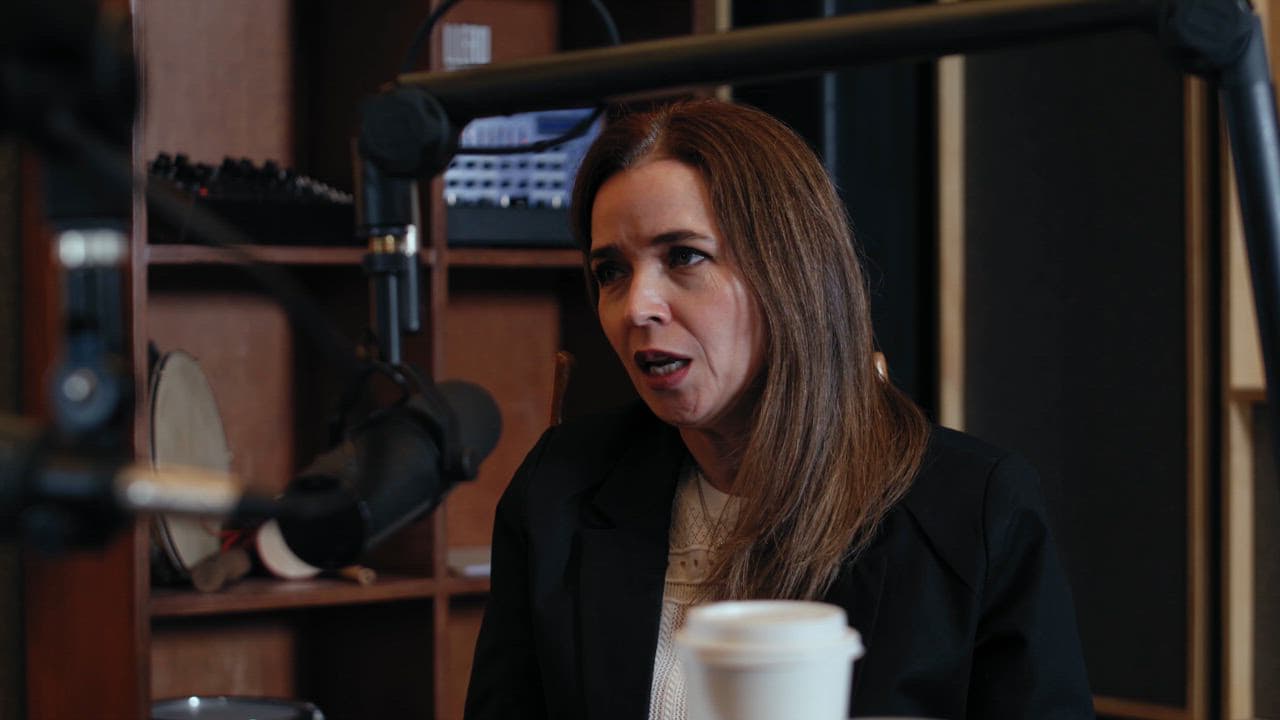
Most founders run a webinar, send the replay link to their list, and call it done. That recording then sits in a Google Drive folder collecting digital dust while they wonder why content creation feels so exhausting.
The webinar was never just a webinar. It was a content goldmine you forgot to mine.
A 60-minute webinar, handled right, can fill your social calendar for four full weeks without a single brainstorming session. Here is how to actually do it.
Break It Into Atomic Pieces First
Before you think about format or platform, treat the transcript like raw material. Go through it and pull out distinct, self-contained ideas. A good webinar has more of these than you think.
Look for:
- A counterintuitive claim you made early on to grab attention
- A step-by-step process, even a simple three-step one
- A specific stat or data point you cited
- A story or example that made an abstract idea concrete
- A direct answer to a question someone asked in the chat
- A moment where you said something like "most people get this wrong"
A typical one-hour webinar yields 15 to 25 of these moments. Each one is a post waiting to happen.
Match Each Piece to a Format
Once you have your list of moments, stop trying to write original captions from scratch. Let the source material do the work.
A counterintuitive claim becomes a Twitter thread or a punchy LinkedIn post. A step-by-step process becomes a carousel. A story or example becomes a short-form video clip with captions. A question from the live chat becomes a poll or a conversation-starter post. A stat becomes a simple graphic.
The goal is not to post the same thing in five places. It is to match the shape of the idea to the format that carries it best. A story lands better as video. A framework lands better as a carousel or a list post. A bold opinion lands better as short text.
When you batch this work, you are not creating content. You are translating something that already exists.
Build the Calendar Backward
Most people try to schedule content forward, starting from today and filling in blanks. That approach makes every week feel like a fresh crisis.
Instead, start from your full list of pieces and assign each one a slot. Spread the formats out so you are not posting three carousels in a row. Mix short video clips into the week to break up static posts. Save the most provocative take for a Monday or Tuesday when engagement tends to run higher.
A rough four-week rhythm might look like: two short video clips per week, two text posts, one carousel or graphic, and one direct question to your audience. That is six posts a week from a single recording you already made.
The calendar fills itself once the pieces exist.
This is exactly the kind of work that sounds simple but takes hours when you do it manually. You are pulling a transcript, scanning for moments, clipping video, writing captions, resizing graphics, scheduling posts. It compounds fast.
ReelCast handles the clip-and-caption layer automatically. Upload your webinar, and it surfaces the shareable moments, generates captions, and hands you a scheduling queue ready to go. The strategy above still matters. But the mechanical grind between insight and published post disappears.