
One Webinar, 30 Days of Social Content
You already did the hard work. Here's how to stop letting that webinar recording collect digital dust.
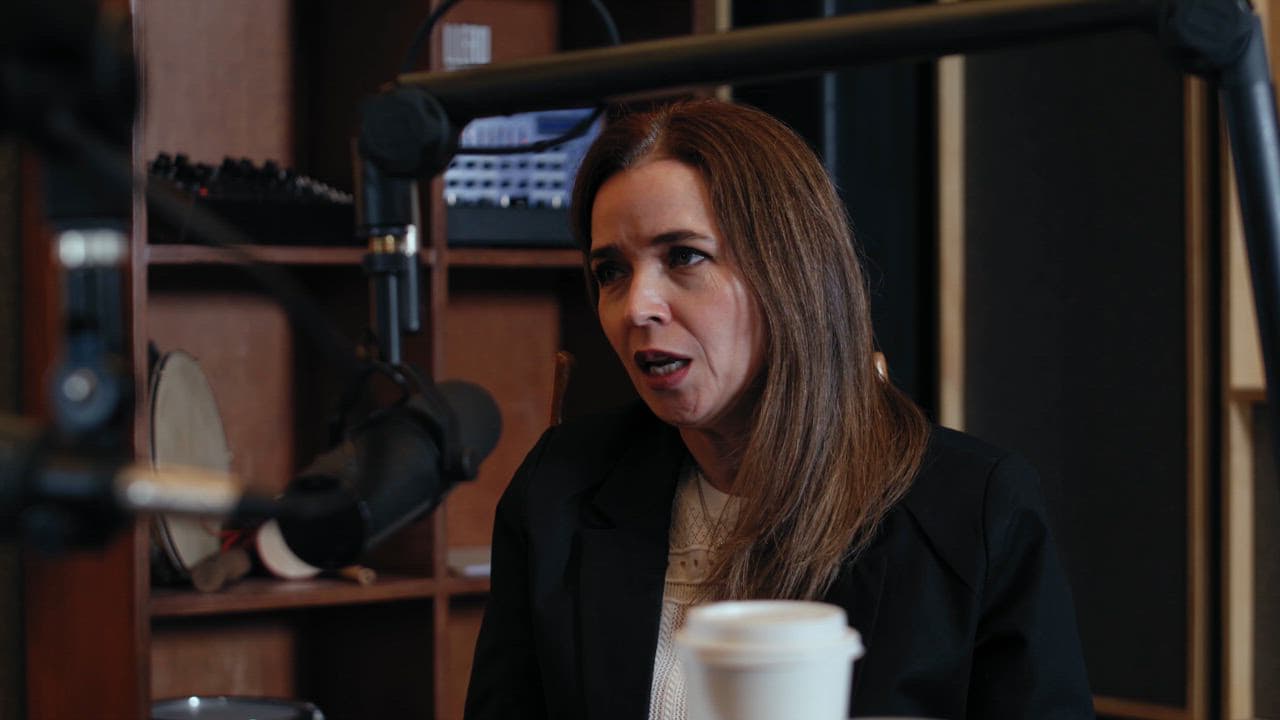
Most founders run a webinar, get a handful of live attendees, maybe send a replay link, and then move on. The recording sits in a Google Drive folder with a name like "Webinar_FINAL_v3.mp4" and never gets touched again.
That is a real waste. A one-hour webinar is not one piece of content. It is a month's worth of posts waiting to be cut apart.
Why Webinars Are a Hidden Content Goldmine
When you run a webinar, you are doing something you almost never do in a written post: thinking out loud. You are explaining things step by step, answering live questions, using analogies on the fly. That unscripted quality is exactly what makes short clips and social posts feel human rather than polished to death.
A typical 60-minute webinar contains:
- 6 to 10 distinct teaching moments or frameworks
- 3 to 5 questions from the audience (instant post fodder)
- At least one or two moments where you say something sharper or funnier than you planned
- A clear problem-solution arc that can become a carousel or thread
That is not one video. That is raw material.
The Actual Repurposing System
Start with a transcript. Most recording tools generate one automatically. Read through it and highlight three types of moments: strong one-liners, full explanations of a single concept, and any audience questions you answered well.
From those highlights, build your content in layers:
Week 1 - The big idea. Pull the core thesis of your webinar and write a standalone post about it. What was the main thing you wanted people to walk away believing? That becomes your anchor post for the week.
Week 2 - The supporting points. Each major section of your webinar can become its own post. If you covered three mistakes, three tools, or three steps, each one is a separate post with its own angle. Do not summarize all three in one. Stretch it out.
Week 3 - The Q and A. Go back to the questions your audience asked. Each question is a post waiting to happen, because if one person asked it live, a hundred people are wondering the same thing.
Week 4 - The clips and proof. This is where short video clips from the webinar itself do real work. A 45-second clip of you explaining a counterintuitive idea will always outperform a text post saying the same thing. Caption it, trim it tight, and post it with a two-line written hook.
A simple rule of thumb: one hour of webinar content should generate at least 15 to 20 individual posts when you break it down this way. Most people get maybe three.
The Bottleneck Is Not Ideas, It Is Execution
The reason this system breaks down for most solopreneurs is not that they lack content. It is that cutting clips, writing captions, and scheduling everything across platforms takes longer than the original webinar did. So the folder sits there.
That is exactly the problem ReelCast was built to solve. Drop your webinar recording in, and ReelCast pulls out the strongest clips, captions them, and builds out a two-week posting schedule automatically. You end up with a ready-to-go content library from a recording you already made.
You did the work once. You might as well let it keep working.