
One Webinar, 30 Days of Content: Here's the System
You already did the hard part. That 60-minute webinar is sitting on a hard drive doing nothing. Fix that.
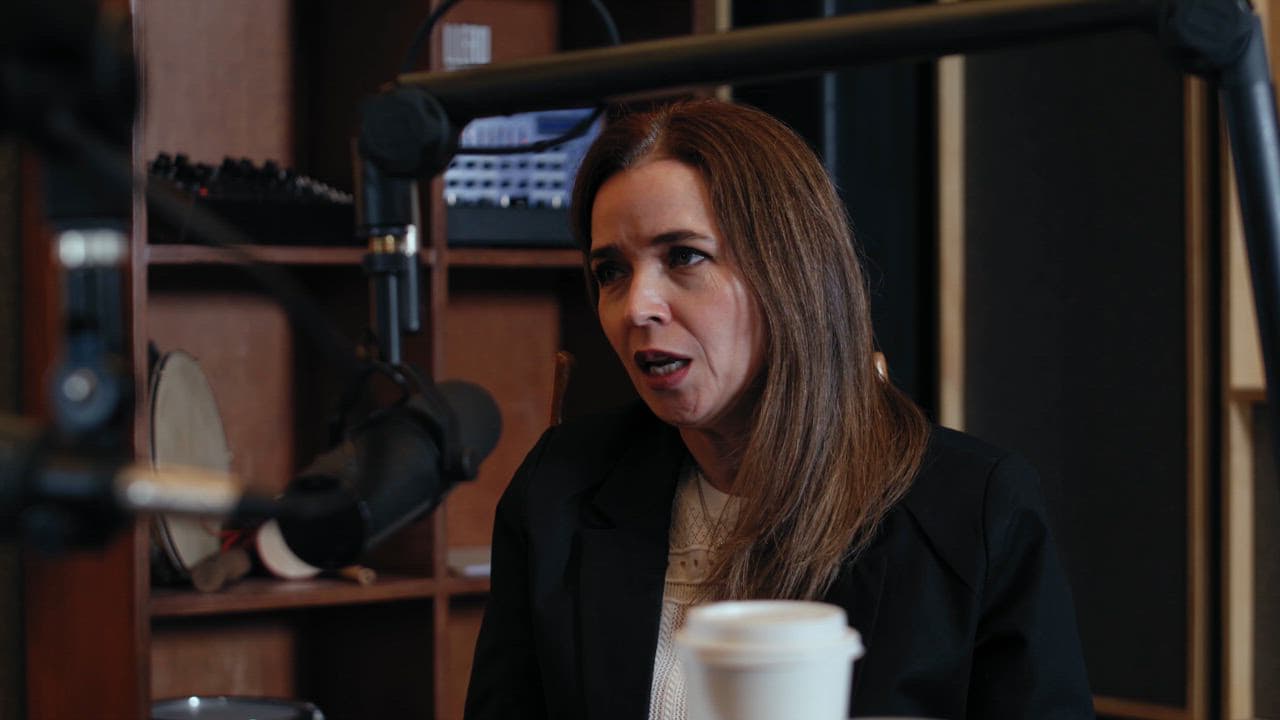
Most creators treat a webinar like a one-night show. They run it, maybe send the replay link, and move on. That is a serious waste. A single 60-minute webinar contains enough raw material to fill an entire month of social content, without writing anything from scratch.
Here is how to actually do it.
Start by Breaking It Into Chapters
Watch your webinar back, or read the transcript, and identify the natural segments. Most webinars have five to eight distinct teaching moments buried inside them. Each one of those is a standalone post waiting to happen.
For each segment, ask: what is the one thing someone would take away if they only watched this two-minute section? Write that down. That becomes your content unit.
From a single 60-minute webinar, you can typically pull:
- 6 to 8 short-form video clips (the best moments, trimmed and captioned)
- 4 to 6 text posts expanding on individual points
- 2 or 3 carousel graphics summarizing a framework you explained
- 1 long-form LinkedIn article pulling the whole argument together
- A handful of quote graphics from things you said that landed well
That is already 15 to 20 pieces of content from one source. Spread those across four weeks and you have your month.
The Repurposing Order That Actually Works
The mistake most people make is trying to repurpose everything at once, getting overwhelmed, and doing nothing. A simple sequencing rule fixes that.
Start with video clips. Clips are the highest-value output because they carry your voice and face, which builds trust faster than text. Pull the two or three moments where you said something punchy, surprising, or genuinely useful. Caption them. Post those first, in week one.
Then write the supporting text posts in weeks two and three. These can expand on the same ideas with examples you did not have time for in the webinar, or answer follow-up questions your attendees actually asked.
Finish week four with something synthesizing. A newsletter, a LinkedIn post that wraps up the theme, or a short thread that links back to the replay.
By the time you post the synthesizing content, your audience has already been primed by everything that came before it. The final piece lands harder because it is familiar.
Why This Feels Hard (and How to Stop Fighting It)
The actual barrier is not creativity. You already have the ideas. The barrier is the mechanical work of clipping, captioning, formatting, and scheduling. That stuff is tedious and eats time that most solopreneurs simply do not have.
A few things help. Use a transcript tool so you are not rewatching everything from scratch. Batch your writing into one session rather than spreading it across the month. And for the video side, stop doing manual clip edits in a timeline editor unless you genuinely enjoy that kind of work.
This is exactly the problem ReelCast was built to remove. You upload your webinar, and it identifies the best clips, captions them, and builds out a two-week posting schedule automatically. The intellectual work, figuring out your angles and your audience, that part stays with you. The tedious production layer does not have to.
Your next webinar should not end when the Zoom call does. It should start working for you the next morning.