
One Webinar, Thirty Days of Content: Here's the Math
You already did the hard work. Most creators then post once and move on. Don't do that.
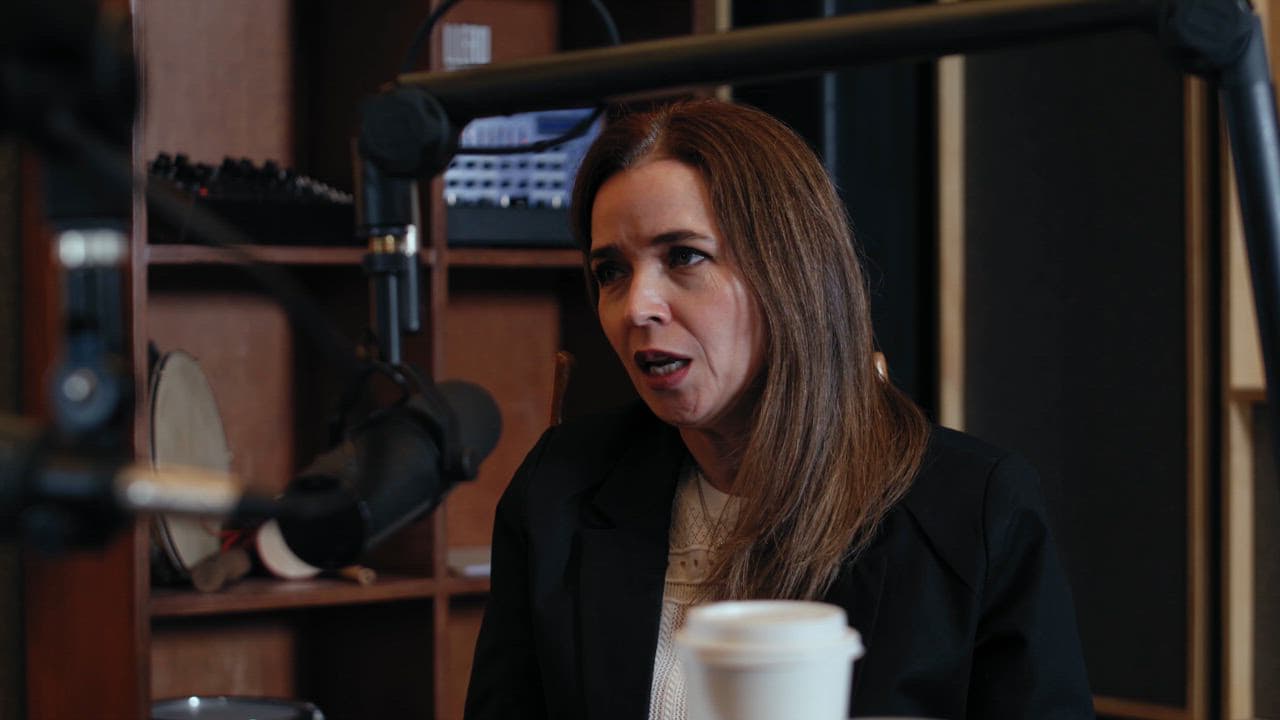
Most people host a webinar, send the replay link to their list, and call it done. That's leaving somewhere between twenty and forty pieces of content sitting on a hard drive doing nothing.
A single sixty-minute webinar contains enough raw material to fill an entire month of social posts, if you know how to cut it up. Here is exactly how to do that.
Start With a Content Audit of Your Own Recording
Before you touch any editing tool, watch your webinar back with a notes doc open. You are not watching to cringe at your filler words. You are hunting for moments.
Mark timestamps for:
- Strong one-liner opinions or takes
- A surprising statistic or counterintuitive fact you cited
- A framework or step-by-step you walked through
- Any question from the audience that you answered really well
- A personal story or analogy that landed
- The moment you said something you have never written down before
Most webinars will give you eight to twelve of these moments. That is your raw list.
Map Each Moment to a Format
Not every clip works on every platform, and not every insight needs to be a video. This is where most creators get stuck. They think repurposing means posting the same clip five times.
Instead, treat each moment as a seed that grows into different formats:
A strong take becomes a text post on LinkedIn or X, a 30-second talking-head clip, and a quote graphic.
A framework becomes a carousel, a short blog post, or a newsletter section.
A good audience question becomes a Reel or TikTok where you pose the question cold before answering it. Works every time.
A stat or fact becomes a single-sentence post with context, or a hook line for a longer thread.
One webinar moment, three formats, three platforms. That single row in your spreadsheet just became nine posts. Do that math across ten moments and you are at ninety pieces of content. You will not use all of them, but you will never stare at a blank content calendar again.
The scheduling part is where the plan usually falls apart, though. Most solo operators run out of steam right here because turning timestamps into finished, captioned, scheduled posts takes hours they do not have.
The Part Nobody Talks About: Distribution Takes Longer Than Creation
Creating the content is maybe 30 percent of the work. Cutting the clips, adding captions, writing the copy for each format, resizing for each platform, and scheduling it all out, that is the other 70 percent. And it is the part that kills momentum.
The founders and creators who are actually consistent are not working harder. They have either hired someone to handle distribution, or they have a system that does most of it automatically.
This is the exact problem ReelCast was built to solve. You drop in your webinar recording, and it pulls out the strongest clips, adds captions, and generates two weeks of scheduled posts from that one video. The audit and the mapping and the reformatting, that all happens without you having to spend a Sunday afternoon in a video editor.
You did the real work when you showed up and taught something useful. The content from that session should keep working for you long after the replay email gets buried in inboxes. Set up the system once, and it does.