
Your Webinar Already Contains a Month of Social Content
Most founders run a webinar, post once about it, and move on. Here's what to do instead.
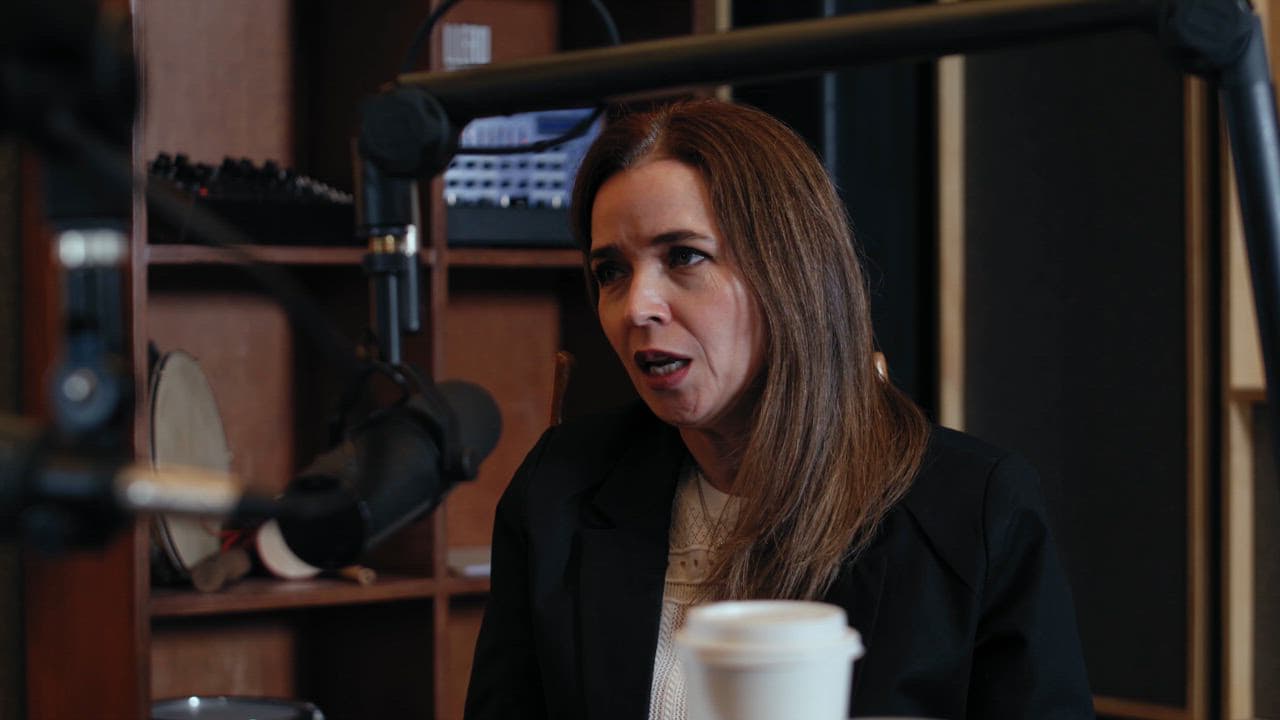
Most founders treat a webinar like a single event. They go live, maybe post a recap link, and call it done. That's leaving a huge amount of usable material on the table.
A 60-minute webinar is not just a recording. It's a content library. The work is already done. You just need a system to pull it apart.
Start With the Anatomy of Your Webinar
Before you can repurpose anything, you need to see what you actually have. A typical webinar contains more distinct pieces than most people realize.
- Opening hook or story - why you called this webinar, what problem you were solving
- Teaching segments - usually 3 to 5 distinct frameworks, tips, or concepts
- Audience questions - often the most honest and useful part of the whole session
- Moments of real talk - the aside you almost didn't say, the stat that surprised even you
- Your closing CTA - a compressed version of your core offer and its value
Each of those is a different format, a different tone, and a different kind of post. Pull the transcript or watch the recording once with a notes doc open. Mark every moment that made you nod, made you laugh, or made you say something you hadn't planned. Those are your raw materials.
The Actual Repurposing Framework
Here is a simple way to build a month of posts from a single webinar without burning out or repeating yourself.
Week 1 - The Announcement Arc. Post about the webinar topic itself. Share the one idea you opened with. Drop a short clip of your hook moment. This works even after the live event is over because the ideas are still fresh and relevant.
Week 2 - The Teaching Breakdown. Take each major point from your webinar and give it its own post. A 3-point framework becomes 3 separate posts. Add context you didn't have time to say during the live session. This is where your depth actually shows.
Week 3 - The Audience Angle. Pull the best questions from your Q&A and answer them again, in writing, with more room to think. Questions your audience asked out loud are almost always questions your broader audience has too. Treat each one as a prompt.
Week 4 - The Reflection. What worked. What surprised you. What you'd change. A post about what you learned from running the webinar itself is often the most engaging thing you can publish. It's honest, it's specific, and it builds real trust.
That's roughly 12 to 15 posts from one session. Most of them practically write themselves once you have the transcript in front of you.
The Part Nobody Talks About
The real friction isn't ideation. It's execution. Most solo founders and creators know they should repurpose their content. They just don't do it because clipping video, writing captions, and scheduling posts across platforms is tedious work that competes with everything else on the list.
That's exactly the problem ReelCast was built to solve. You upload your webinar recording, and it pulls out the strongest clips, adds captions automatically, and gives you two weeks of posts ready to schedule. No hunting for timestamps. No staring at a blank caption field at 10pm.
The ideas you worked hard to prepare deserve more than one day of visibility. Your webinar can keep working for you long after the Zoom call ends.