
One Webinar, Thirty Days of Social Content
Your webinar already contains a month of posts. Most creators just don't know where to cut.
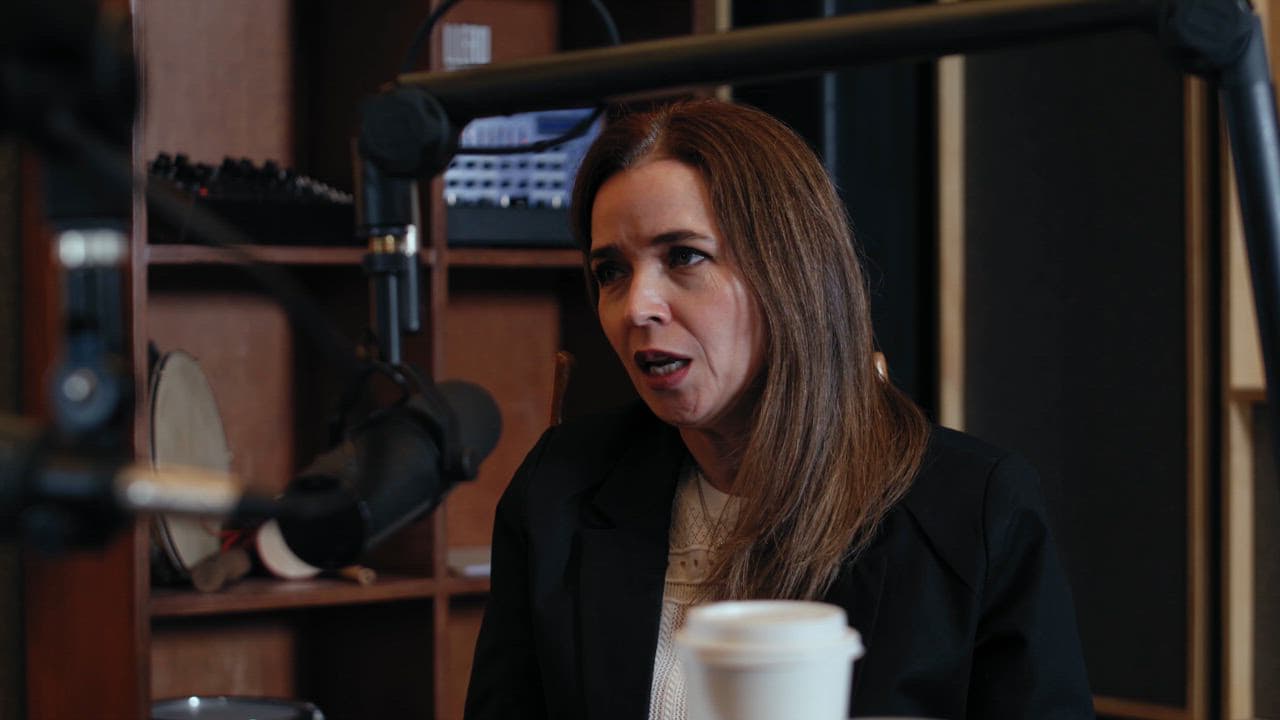
Most people record a webinar, post the replay link once, and move on. Then they spend the rest of the month staring at a blank content calendar wondering what to post. The content was sitting right there the whole time.
A 60-minute webinar is not a single piece of content. It is a content library. Here is how to treat it like one.
Start by Pulling the Raw Material
Before you write a single caption or cut a single clip, do a quick audit of what your webinar actually contains. Most hour-long webinars have more usable material than their hosts realize.
Look for these categories inside the recording:
- One-liner moments - punchy statements where you said something quotable in under 10 seconds
- Contrarian takes - any time you pushed back on conventional wisdom in your niche
- Step-by-step segments - the how-to sections your audience actually came for
- Q&A answers - these are pure gold because they reflect real audience questions
- Story beats - personal examples or client stories you used to illustrate a point
Write down the timestamp and a short description for each one. A 60-minute webinar will usually produce 15 to 25 distinct moments worth turning into content.
Map Each Moment to a Format
Not every moment fits every format, and forcing a mismatch is why repurposed content often feels flat. Match the material to what it actually does well.
One-liners become quote graphics or text posts. Contrarian takes work well as short-form video clips with a bold caption. Step-by-step segments can be broken into carousel posts, one slide per step. Q&A answers translate directly to standalone posts framed as "a question I got asked last week." Story beats are perfect for longer LinkedIn posts or email newsletters.
With 20 moments mapped across five formats, you can fill a full month of posts without repeating yourself or stretching thin. That is roughly five posts a week, which is more than enough for most solopreneurs.
The Scheduling Logic That Actually Works
Random posting kills momentum. The smarter approach is to build a loose arc across the month so your audience feels like they are following something, not just consuming disconnected fragments.
Week one: post the big idea. Share your strongest clip or quote from the webinar to anchor the theme.
Week two: go deeper. Post the how-to content, the frameworks, the step-by-step stuff.
Week three: handle objections. Pull from the Q&A. Address the doubts your audience actually raised.
Week four: close the loop. Share a result, a reflection, or a call to action tied to the original topic.
By the time week four lands, your audience has been living with this idea for a month. That repetition is not redundancy. It is how things actually stick.
The whole process sounds straightforward, and it is, but the part that bogs most people down is the clipping and scheduling. Finding the moments, trimming the video, writing the captions, queueing everything up. That is where hours disappear.
ReelCast was built to handle exactly that. You drop in your webinar, and it finds the best clips, adds captions, and schedules two weeks of posts for you. The creative thinking is still yours. The repetitive production work is not.