
One Webinar, 30 Days of Social Content
You spent weeks preparing that webinar. Here's how to make it work for you long after the live recording ends.
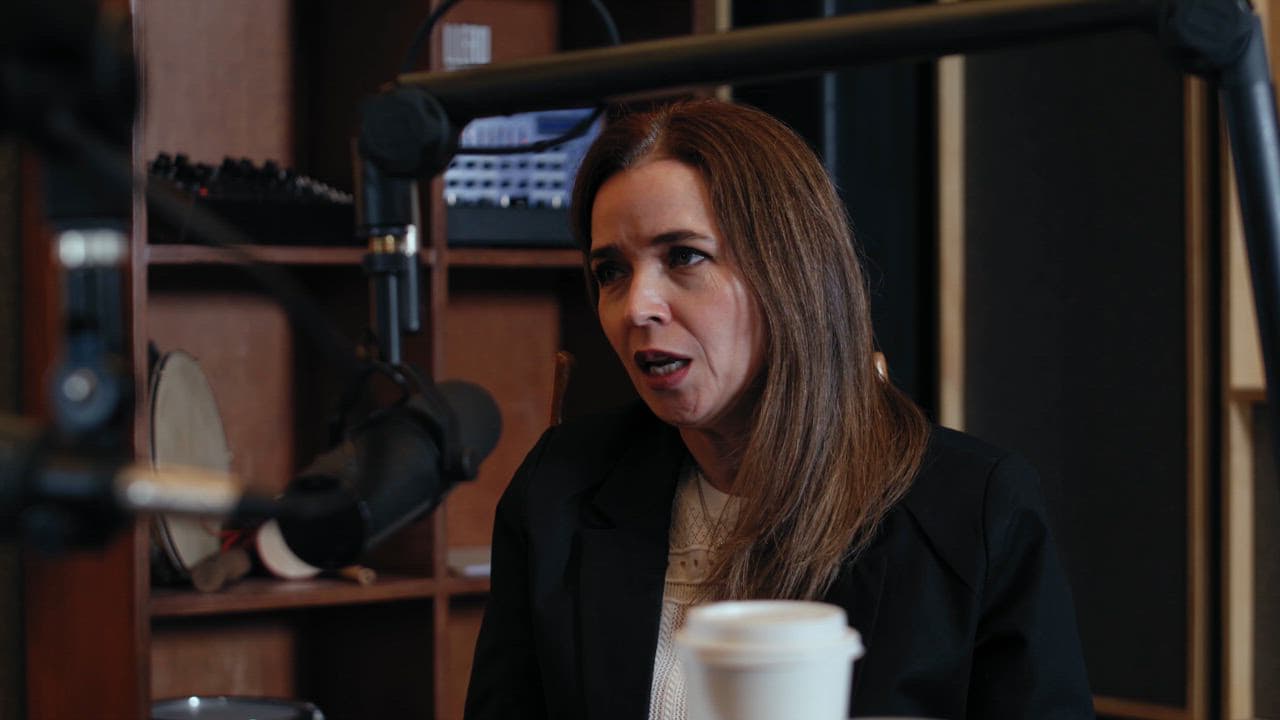
Most creators treat a webinar like a campfire. It burns bright for an hour, then it's cold ash. That's a brutal waste of your best material.
A single 60-minute webinar contains enough raw content to fill your social calendar for a full month, without writing a single word from scratch. The catch is you need a system, not just good intentions.
Start by Breaking the Recording Apart
Before you think about captions or carousels, watch your recording with a notepad nearby. You're hunting for three types of moments:
- Sharp opinions. Any time you said something a little bold or counterintuitive.
- Step-by-step explanations. Tactical walkthroughs your audience can actually use.
- Audience questions. The live Q&A is gold. Real questions from real people signal real confusion worth addressing publicly.
A typical 60-minute webinar will surface 15 to 20 usable moments this way. That's your content inventory.
How to Turn Moments Into Posts
Each moment you flagged can become more than one thing. That's the multiplier most people miss.
Take a two-minute clip where you explain why most people get email marketing backwards. That single clip can become:
- A short-form video clip (30 to 60 seconds, trimmed and captioned) for Instagram Reels, TikTok, or LinkedIn.
- A text-only post pulling the core argument as a punchy quote or thread starter.
- A carousel breaking down the steps you described.
- A follow-up post answering the question you knew the clip would trigger.
One moment. Four posts. That's not padding, that's meeting different people where they are. Some followers watch video. Some scroll text. Some save carousels for later. Covering multiple formats means your idea actually reaches your audience instead of disappearing into the algorithm.
For a realistic monthly plan, try this spread across four weeks:
- Week 1: Three short video clips from the most compelling sections.
- Week 2: Two text posts built from your strongest opinions or counterintuitive points.
- Week 3: A carousel breaking down one framework or step-by-step section.
- Week 4: Two posts addressing the top questions from the live Q&A.
That's nine posts minimum, and you haven't touched half your inventory yet.
The Practical Obstacle (and How to Beat It)
The reason most people don't do this isn't laziness. It's friction. Watching back an hour of footage, finding the good clips, trimming them, adding captions, formatting everything for each platform, scheduling the posts. That chain of small tasks adds up to hours you don't have.
This is exactly the problem ReelCast was built to solve. You upload your webinar recording, and it automatically identifies your best clip-worthy moments, cuts them, adds captions, and schedules them out across two weeks of posts. The system does the extraction and the formatting. You spend your time on strategy and creation, not on editing timelines.
Your next webinar doesn't have to disappear after the replay link goes cold. With the right approach, it becomes the foundation for a full month of content that keeps building your audience while you focus on everything else.