
One Webinar, Thirty Days of Social Content
Most creators record a webinar, post it once, and move on. That's leaving 90% of its value on the table.
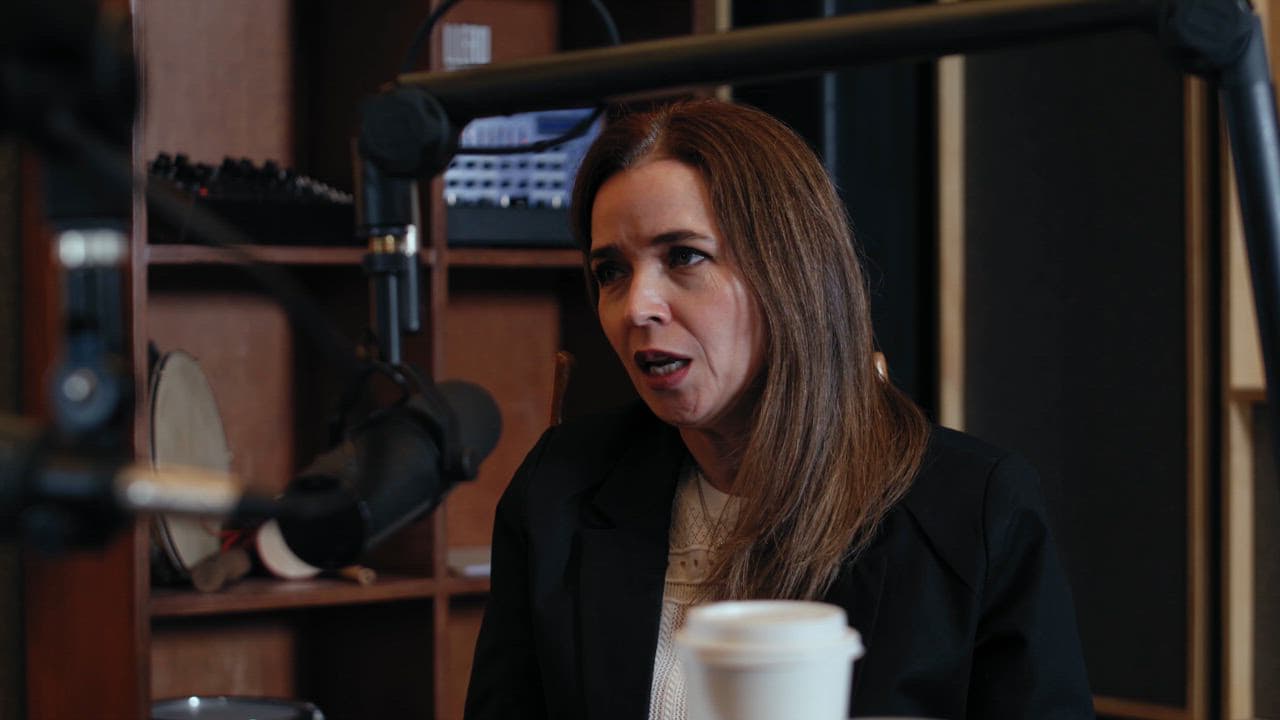
You spent weeks preparing that webinar. You promoted it, ran it, answered questions live, and maybe got 40 people to show up. Then you uploaded the recording to a folder nobody opens and called it done.
That's the wrong move. A single 60-minute webinar contains enough raw material to fill your social calendar for a full month, if you know how to pull it apart.
Think in Content Types, Not Just Clips
Most people try to repurpose a webinar by trimming it into a few short clips. That's a start, but clips are only one format. The same recording can also become:
- A carousel post breaking down your main framework or step-by-step process
- A text-only LinkedIn post sharing the single most surprising thing an attendee asked
- A quote graphic from something you said that landed well in the chat
- A short written thread walking through your opening story
- A poll asking your audience which problem from the webinar they struggle with most
- A blog post (or newsletter) expanding on one section you barely had time to cover
When you think in formats, you stop looking at one recording and start seeing a content library.
The 30-Day Breakdown That Actually Works
Here is a simple way to structure the month without burning out or repeating yourself.
Week 1 is about the big idea. Pull your core argument or framework and post about that. One clip of your opening hook, one carousel explaining the framework, one text post on why most people get this topic wrong.
Week 2 goes deeper on tactics. Break out two or three specific tips from the middle of your webinar. Each one is its own post. A tip that took you 90 seconds to explain live can become a 200-word LinkedIn post that gets more engagement than anything else that week.
Week 3 is audience-driven. Share a question someone actually asked during the Q&A. Answer it again, freshly, in a short video or a written post. This content feels personal because it is.
Week 4 is the wrap-up. Post a short reflection: what surprised you, what you would add now, or what topic you are planning to cover next. This bridges naturally into your next piece of content.
By the end of the month, you have posted 12 to 15 times from one source. None of it felt repetitive because each post served a different format and a different moment in the audience's attention span.
The Bottleneck Is Almost Never Ideas
The reason most creators do not repurpose this way is not that they lack a plan. It is that the execution is tedious. Watching back a full recording, writing timestamps, trimming clips, writing captions for each one, scheduling everything across platforms. It takes hours, and most people just do not have those hours sitting around.
That is exactly the problem ReelCast was built to solve. You upload the webinar, and it handles the clip identification, captioning, and scheduling, so you are not starting from a blank screen every time you want to post. The strategy above still requires your judgment and your voice. But the mechanical work of getting content from a recording into a scheduled post gets handled for you.
Your next webinar should not disappear into a folder. It should run your social content for the next four weeks.