
One Webinar, 30 Days of Social Content (Here's How)
You already did the hard work. Most founders just forget to mine it.
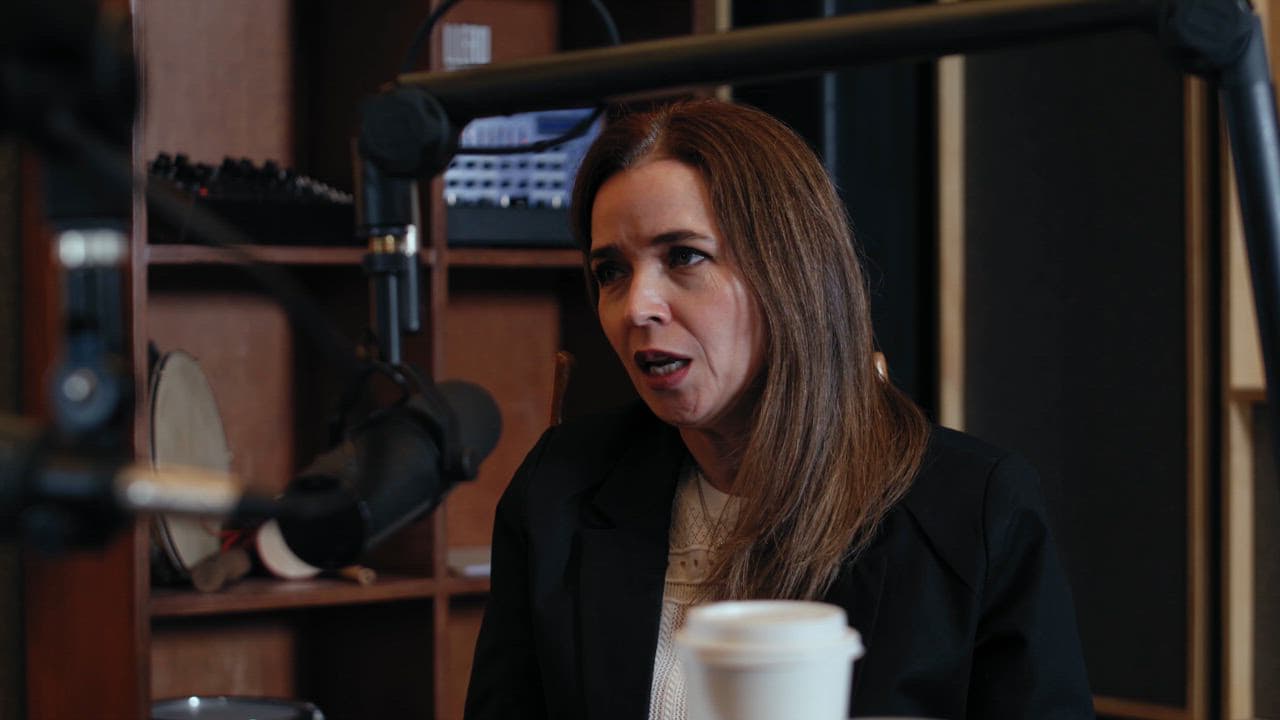
Most people host a webinar, export the recording, and let it rot in a Google Drive folder. That recording is not a file. It is a content machine you forgot to turn on.
A single 60-minute webinar, done right, can cover your entire social calendar for a month. No new ideas required. No staring at a blank screen on Sunday night. Here is how to actually do it.
Start by stripping it down to raw material
Before you post anything, you need to audit what you recorded. Watch it once with a notepad and flag every moment that made you think, "that's a good point." You are looking for four types of content gold:
- Sharp takes. Opinions you stated clearly that would make someone stop scrolling.
- How-to steps. Any process you walked through, even briefly.
- Stories or examples. Specific moments where you told a story or named a real result.
- Audience questions. The Q&A section is almost always the richest part and almost always ignored.
A typical webinar will give you 15 to 25 of these moments. That is your raw inventory.
Map each moment to a format
Once you have your list, stop thinking about the webinar as a single piece of content. Think of it as a source document. Each moment maps to a specific format depending on what it is.
A sharp take becomes a text post or a quote graphic. A how-to moment becomes a carousel or a short-form video clip with captions. A story becomes a longer LinkedIn post or a Reel with you talking to camera. An audience question becomes a standalone post framed as "someone asked me this" which performs surprisingly well because it signals real-world relevance.
You are not re-creating content. You are translating existing content into formats your audience actually consumes. The thinking is already done. You are just changing the shape.
For a rough monthly plan, it looks something like this: Week one is punchy takes and quotes to generate early engagement. Week two is the practical how-to content to build credibility. Week three is story-driven posts to create connection. Week four is Q&A-based content to close the loop and invite more conversation.
The part most people skip: captions and context
Raw clips from a webinar do not perform on their own. People scroll with their sound off. The audio has weird pacing. You look like you are reading a slide. None of that matters as much as people think, but only if you add captions and a strong opening line on screen.
The opening line is the hook. It replaces what a thumbnail does for YouTube. If your clip starts with "So, um, great question" it will not get watched. Trim to the moment where you say something specific and confident, caption the whole thing, and put a text overlay on the first frame that signals what the viewer is about to learn.
This is the difference between a clip and a post.
If the manual side of this sounds tedious, that is exactly the problem ReelCast was built to solve. You drop in your webinar recording and it identifies the strongest moments, generates captions, and builds out a two-week posting schedule. The thinking above still matters, but the execution stops being a weekend project and starts taking about ten minutes.