
One Webinar Can Feed Your Social Calendar for a Month
You already did the hard part. Here's how to stop leaving that content on the table.
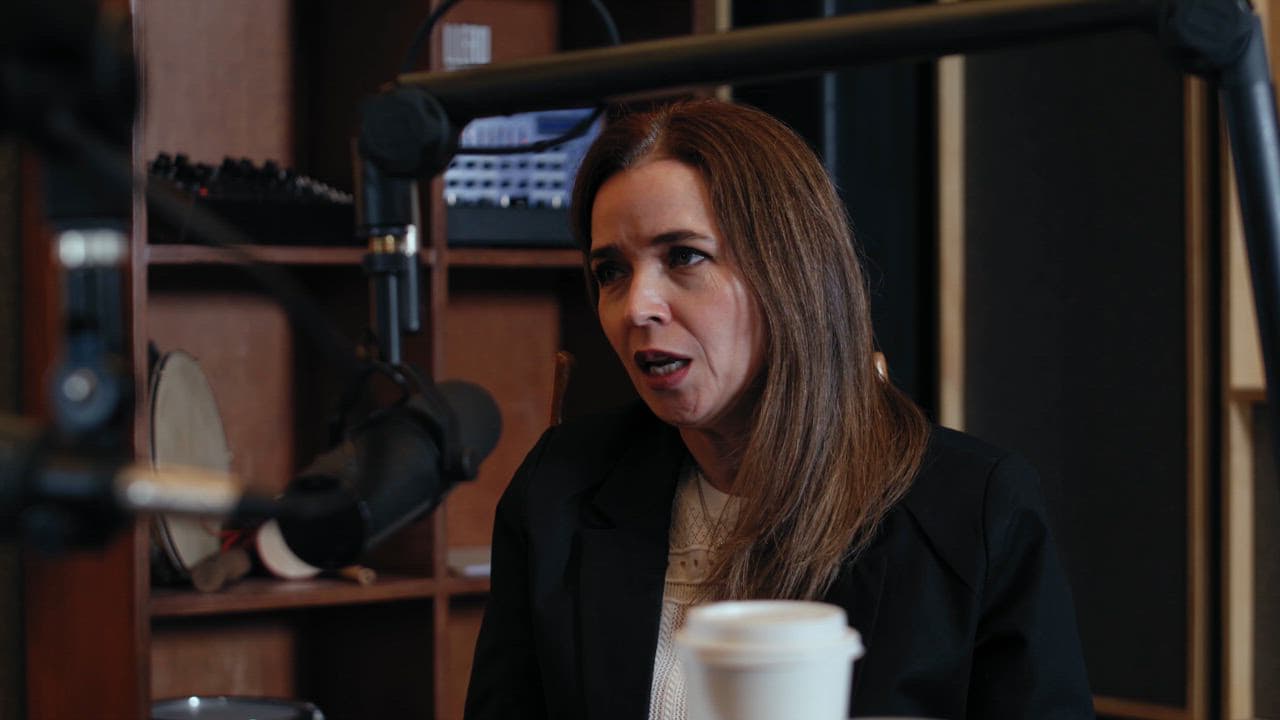
Most creators run a webinar, send the replay link to their list, and move on. A week later they're staring at a blank scheduler wondering what to post. The content was sitting right there the whole time.
A single 60-minute webinar contains more raw material than most people produce in a month. The problem is format, not volume. Nobody is going to watch a full replay on Instagram. But they will watch a 45-second clip, read a punchy quote, or save a carousel that summarizes your three main points. Your job is translation, not creation.
Start With a Content Audit of Your Own Recording
Before you open any editing tool, watch your recording with a notepad open. You are hunting for four specific things:
- Strong opinions. Any moment where you said something definitive or a little counterintuitive.
- Frameworks or lists. Anything you named, numbered, or drew on a whiteboard.
- Audience questions. The Q&A section is a goldmine. Real questions from real people are exactly what your broader audience is also thinking.
- Story moments. Personal examples, case studies, or specific numbers you dropped casually.
A typical hour-long webinar has 8 to 12 of these moments. That is your content inventory.
Map Each Moment to a Format
Once you have your list, match each item to a format that suits it. This is where most people stop thinking and start guessing. Instead, be deliberate.
Strong opinions work well as short talking-head clips or text-based quote posts. Pull the exact words you used, do not paraphrase. Authenticity matters more than polish here.
Frameworks turn into carousels or simple infographics. If you explained a three-step process, that is a three-slide carousel. Done.
Audience questions become Q&A-style posts or short video replies. Post the question as your hook, then answer it in under a minute. These tend to get strong saves and shares because they feel genuinely useful rather than promotional.
Story moments with specific numbers make great standalone posts. "We went from 200 to 2,000 subscribers in 90 days" is a hook. Build the post around how, not just what.
With 10 moments and a mix of formats, you can map out a full month without repeating yourself. Three posts a week for four weeks. That is 12 posts from one recording session.
The Scheduling Math That Actually Works
Spread the content out intentionally. Do not post the framework carousel and the summary clip on the same day. Think of it like a slow drip that keeps the topic alive without feeling like a campaign.
Week one: a strong opinion clip and a Q&A post. Week two: the framework carousel and a story-driven text post. Week three: another clip, a quote graphic, a second Q&A. Week four: a longer reflection post that ties the original webinar theme back to something timely.
By week four, people who missed the webinar entirely have now absorbed most of what was in it, and they did it in formats that fit into their actual day.
This whole process, from audit to scheduled posts, is exactly what ReelCast is built to handle. You upload the recording, and it pulls clips, captions them, and builds out the posting schedule for you. The thinking above still helps you choose what to prioritize, but the mechanical work disappears. For a solopreneur running on limited hours, that difference is significant.