
One Webinar, Thirty Days of Content. Here's How.
Most people record a webinar, post the replay link once, and move on. That's leaving most of the value on the table.
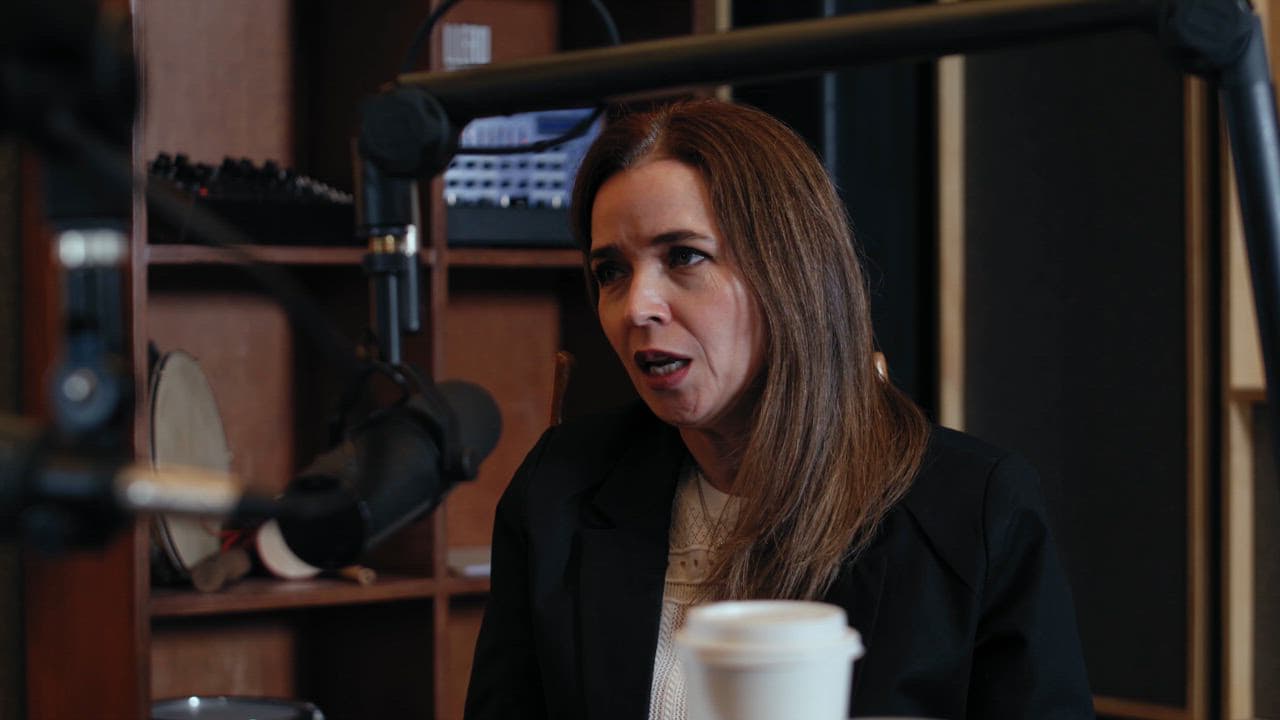
You spent three weeks preparing for that webinar. You rehearsed. You answered live questions. You dropped genuinely good ideas. And then you sent one follow-up email with the replay link and called it done.
That's the most common and most expensive mistake in content creation. A single webinar contains enough raw material to fill an entire month of social posts, if you know how to pull it apart.
Think in Content Types, Not Just Clips
The first step is changing how you look at your recording. Stop seeing it as a video to share and start seeing it as a content mine. A typical 60-minute webinar holds several distinct types of material, each suited to a different format.
- Quotable moments. Any sentence you said that made someone screenshot their screen is a text graphic or a tweet.
- How-to sections. Step-by-step explanations become carousel posts or short-form video tutorials.
- Q&A answers. Each question you fielded live is a standalone piece of content. Pull the answer, trim the context, post it.
- Counterintuitive takes. If you said something that pushes back on conventional advice, that becomes a hook for a longer LinkedIn post or a Reel.
- Data or stats you cited. Even one good number becomes a shareable graphic.
A 60-minute session with a Q&A could realistically produce 25 to 35 distinct posts. Most people pull two or three. The difference is just having a system.
The Practical Breakdown for 30 Days
Here is a simple way to map your webinar into a full month without burning out.
Week 1 - Awareness content. Post the broad, hook-worthy moments. The bold claim you opened with. The stat that surprised people. These are reach plays designed to bring new eyes in.
Week 2 - Educational content. Go deeper on the how-to sections. Break a framework into individual posts, one step per day. This is the material that builds trust and gets saved.
Week 3 - Social proof and engagement. Pull the best Q&A answers. Share an audience reaction if you have one. Post a poll based on something you debated. This creates conversation rather than just broadcasting.
Week 4 - CTA content. Now that people have seen your thinking, invite them somewhere. The replay. A related offer. A free resource you mentioned. Warm audiences convert. Cold ones rarely do, so this sequencing matters.
The key detail most people miss: you should not post the replay link in week one. Make people want it first.
Why Most Creators Skip This Step
It is not laziness. It is time. Watching back a full recording, identifying the moments worth pulling, clipping them, writing captions for each format, scheduling everything across platforms. That workflow can take longer than hosting the webinar in the first place.
This is exactly what ReelCast is built to handle. You upload your webinar recording, and it identifies the strongest moments, generates captioned clips formatted for different platforms, and helps you schedule two weeks of posts without you manually scrubbing through footage frame by frame. The ideas in this post are still yours to run with manually if you want. But if you've got a webinar sitting in your Google Drive right now, ReelCast is the fastest path from recording to published content.