
One Webinar, Thirty Days of Content. Here's How.
Most creators record a webinar, post it once, and move on. That's leaving 90% of the value on the table.
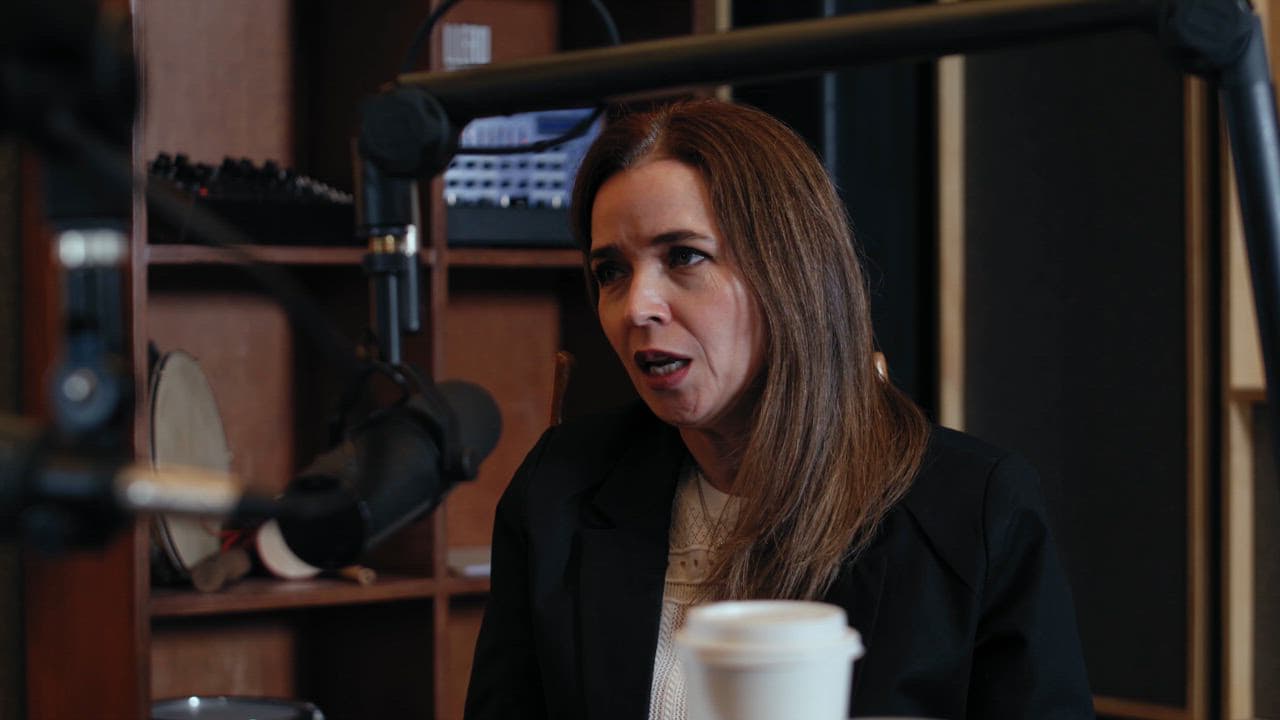
You spent weeks preparing a webinar. Maybe two hours delivering it. And then you uploaded it to YouTube or tucked it behind a landing page and called it done.
That's the wrong ending to a lot of work.
A single 60-minute webinar contains enough raw material to fill an entire month of social content, without you writing a word from scratch. You just need a system for pulling it apart.
Start With the Structure, Not the Transcript
Most people who try to repurpose video content start by reading the transcript. Bad move. Transcripts are dense, repetitive, and hard to mine quickly.
Instead, start with the skeleton. Look at your webinar outline or chapter markers and ask: what are the five to seven distinct ideas I taught here? Each one of those is a content unit. Each unit can become multiple posts across multiple formats.
For a typical webinar, that might look like this:
- One punchy quote or counterintuitive claim per section (great for carousels or text posts)
- One short clip, two to four minutes, where you explain a concept clearly (great for Reels or TikTok)
- One practical tip extracted from each section (great for LinkedIn or Twitter threads)
- One question you answered from the audience (great for a Q&A-style post)
That's four pieces of content per section. With six sections, you're already at 24 posts before you've done any real writing.
The Editing Step Most People Skip
Raw webinar footage rarely works as social content. The pacing is slow, there are filler moments, and the best lines are often buried in the middle of a longer explanation.
This is where most solo creators give up, because trimming and captioning clips by hand is genuinely tedious.
The better approach is to build a repeatable editing pass into your process. After every webinar, do one focused review where you flag the moments that made people lean in. Usually those are:
- A bold statement that surprised the audience
- A specific number, framework, or named concept
- A short story with a clear before-and-after
- A direct answer to a question someone in the room was afraid to ask
Those flagged moments become your clip list. You do not need to use everything. You need to use the right things.
Once you have the list, the actual production work is about turning those moments into finished posts with captions, aspect ratios adjusted for each platform, and scheduling sorted so you're not posting everything at once.
Making It Sustainable
The goal is not to repurpose one webinar and then repeat this whole process manually every time. The goal is to do a webinar, hand it off to a system, and have the content appear.
That kind of repeatable output is what separates creators who stay consistent from the ones who post in bursts and disappear.
ReelCast was built exactly for this. You upload your webinar recording, and it pulls out the strongest clips, adds captions, and builds out a posting schedule so you are not starting from zero after every recording session. The content from one good webinar can genuinely carry you for a month, without the Sunday-night scramble of figuring out what to post next.
You already did the hard part. The thinking, the delivery, the ideas. The distribution should not take as long as the creation.